
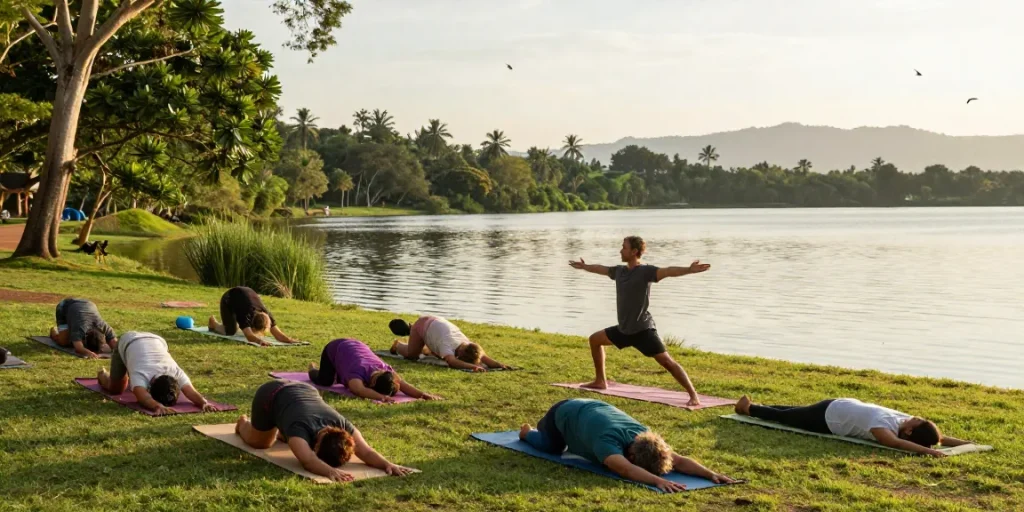
Understanding Yoga Teacher Training in Sri Lanka
Sri Lanka has become an increasingly popular destination for yoga enthusiasts looking to deepen their practice and explore yoga teacher training. With its serene landscapes, rich cultural heritage, and a variety of training programs, it offers a unique blend of experience that attracts aspiring instructors from all over the globe. Notably, the yoga teacher sri lanka programs available here have gained recognition for their focus on holistic education and personal growth.
What to Expect from a 200-Hour Program?
A typical 200-hour yoga teacher training program in Sri Lanka is designed to provide a comprehensive foundation of yoga practice and teaching methodologies. The programs often include:
- Daily yoga classes that combine various styles, typically Vinyasa and Hatha.
- Theoretical modules covering yoga philosophy, history, and ethics.
- Practical anatomy sessions to understand bodily functions and alignments during practice.
- Teaching methodology to equip students with the skills to lead classes effectively.
- Opportunities for personal introspection and self-discovery through meditation and mindfulness practices.
Participants can expect a rigorous yet supportive environment, designed to foster personal transformation alongside professional training.
Benefits of Immersive Teacher Training Retreats
Immersive retreats offer a unique way to learn and grow as a yoga practitioner. The advantages of choosing a retreat-style program include:
- Intensive focus: Being away from daily distractions allows for a deep dive into yoga practice.
- Community support: Training alongside like-minded individuals fosters bonding and creates a sense of belonging.
- Holistic experience: Many retreats incorporate activities like local cultural excursions, wellness workshops, and healthy cooking classes.
- Ideal learning environment: The tranquil settings of Sri Lanka enhance relaxation and concentration.
Different Styles of Yoga Offered in Sri Lanka
Sri Lanka’s yoga teacher training programs offer a variety of styles, catering to diverse preferences and philosophies:
- Hatha Yoga: Focuses on physical postures and breath control, ideal for beginners.
- Vinyasa Yoga: Emphasizes dynamic, flowing movements synchronized with breath.
- Ashtanga Yoga: A rigorous style combining breath with a progressive series of postures.
- Yin Yoga: A slow-paced style that targets deep connective tissues and promotes relaxation.
- Restorative Yoga: Involves gentle, supportive poses and the use of props for relaxation.
This diverse range ensures that every student finds a style that resonates with them, enhancing their personal practice and teaching capability.
Choosing the Right Yoga Teacher Training Program
Finding the right yoga teacher training program can be overwhelming, especially with numerous options available in Sri Lanka. Here are key considerations to help make an informed decision:
How to Evaluate a Program’s Accreditation?
It’s essential to ensure that the yoga school you consider is accredited by reputable organizations like Yoga Alliance. Accreditation ensures that the program meets specific standards of training, which can significantly impact your certification’s recognition worldwide. Look for:
- Clear information on the program’s curriculum, length, and teaching faculty.
- Reviews and testimonials from past graduates.
- Opportunities for continued education and professional development after certification.
Questions to Ask Potential Yoga Schools
Before enrolling, don’t hesitate to ask potential yoga schools specific questions to clarify their program. Inquire about:
- The school’s philosophy and teaching approach.
- The background and experience of the instructors.
- Class sizes and student-to-teacher ratios.
- Accommodation and meal options during the training.
- Opportunities for teaching practice during the training program.
Comparing Online and In-Person Yoga Teacher Trainings
In the wake of the pandemic, many yoga schools have adapted by offering online courses. While these can be convenient, there are distinct benefits to in-person training:
- Hands-on instruction: In-person classes allow for immediate feedback on alignment and technique.
- Community connections: The in-person experience fosters deeper relationships with classmates and instructors.
- Cultural immersion: Learning in Sri Lanka offers exposure to local traditions and practices closely tied to yoga’s roots.
Experience and Community at Lanka Yoga
Lanka Yoga, located on Sri Lanka’s picturesque south coast, stands out as a premier yoga school for those seeking meaningful teacher training experiences. The environment is designed to cultivate a deep sense of belonging and community among participants.
The Importance of Small Group Settings
By keeping class sizes small, Lanka Yoga promotes individual attention and personalized feedback. This setting allows:
- Deeper connections between students and instructors.
- Opportunities for tailored guidance based on individual needs.
- A supportive space where students can express themselves and explore their practice freely.
Connecting with Fellow Practitioners and Instructors
Building strong relationships with fellow students and instructors is a vital aspect of the training experience. These connections often lead to lasting friendships, networking opportunities, and collaborative projects in the future. Group activities, discussions, and shared meals enhance these bonds.
Building a Supportive Yoga Community
At Lanka Yoga, the focus extends beyond just training; it’s about forming a supportive community. Participants learn from each other, share insights, and support one another through their journeys. Regular gatherings and social events help reinforce this sense of community.
Yoga Synergy Approach: Blending Movement and Mindfulness
The Yoga Synergy approach, developed by experienced instructors, emphasizes intelligent movement, applied anatomy, and the art of non-violent communication. This holistic methodology prepares students not just to teach but to embody the principles of yoga in their lives.
Principles of Intelligent Sequencing in Yoga
Intelligent sequencing is at the core of effective yoga teaching. This involves:
- Creating sequences that promote physical safety and alignment.
- Building strength and flexibility progressively over time.
- Encouraging mindfulness and awareness of breath throughout practice.
Applied Anatomy: Understanding Your Body
Having a solid understanding of anatomy is crucial for any yoga teacher. Trainings at Lanka Yoga include:
- Workshops focusing on body mechanics and function.
- Techniques for modifying postures to accommodate different body types.
- Guidance on preventing injuries during practice.
Non-Violent Communication in Yoga Practice
Non-violent communication (NVC) fosters a compassionate approach to both teaching and practicing yoga. This principle can transform interactions by:
- Encouraging empathy and understanding among students and instructors.
- Supporting open dialogue about needs and feelings.
- Creating a safe space for expression and growth.
Future of Yoga Teaching in Sri Lanka and Beyond
The future of yoga teaching in Sri Lanka looks promising, with an increasing number of people recognizing the benefits of yoga, both physically and mentally. As the industry evolves, several trends are set to shape the landscape of yoga education.
Emerging Trends in Yoga Education for 2026
As we approach 2026, new trends are likely to emerge in the yoga teaching community:
- Integration of technology: Online classes and digital resources will continue to expand, providing more accessible learning platforms.
- Focus on wellness and holistic health: The interplay between physical, mental, and emotional wellness will be emphasized in training.
- Incorporation of modern science: Understanding yoga through the lens of modern research in health and fitness will drive curriculum development.
The Impact of Technology on Learning Yoga
Technology is changing how we engage with yoga. As online resources become more prevalent:
- Students will have access to a wealth of information and tutorials.
- Virtual workshops and seminars will allow for continued education from anywhere in the world.
- Innovative apps will facilitate practice tracking and goal setting.
Preparing for a Career as a Yoga Teacher
For those contemplating a career in yoga teaching, it is essential to prepare thoroughly. Consider:
- Building a solid foundation of personal practice before teaching.
- Networking with professionals in the community to learn about different paths.
- Staying engaged with ongoing education to keep skills and knowledge current.
What types of yoga teacher training are available in Sri Lanka?
Sri Lanka offers various yoga teacher training types, including:
- Traditional 200-hour programs in Vinyasa and Hatha.
- Specialized trainings in meditation, prenatal yoga, or children’s yoga.
- Advanced 300-hour courses for those looking to deepen their teaching skills.
How do I choose the best yoga teacher training for me?
Choosing the best program involves assessing your goals, preferred teaching style, and learning environment. Consider the aspects that resonate with you personally and academically.
What are the benefits of training in Sri Lanka?
Training in Sri Lanka provides not just the opportunity to deepen your yoga practice, but also an enriching experience that combines cultural immersion with personal growth.
How can I continue my yoga education after training?
Continuing education can be achieved through workshops, advanced certifications, community classes, and online courses. Engaging regularly with a community can also enhance learning and accountability.
What distinguishes yoga teaching styles in Sri Lanka?
Teaching styles in Sri Lanka often incorporate local traditions, cultural influences, and a focus on holistic health. Many programs emphasize outdoor classes, reflecting the natural beauty of the environment.