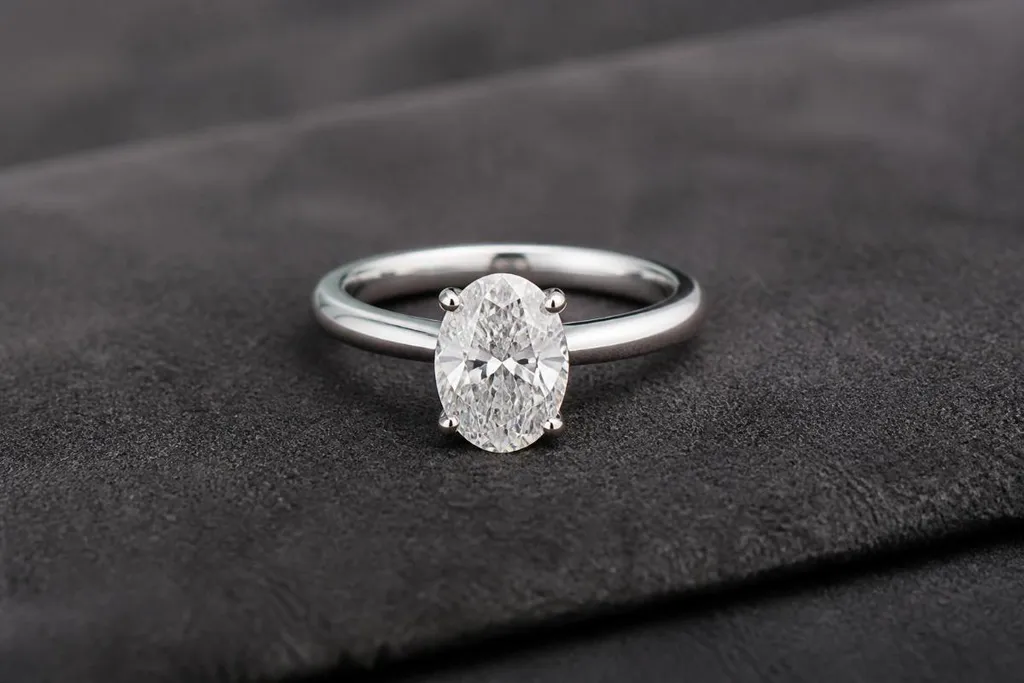
Fine jewellery feels convincing when proportion and purpose agree. The appeal begins with a recognisable identity, but it lasts because the piece has been resolved for real wear. At its best, the design makes the centre stone an unmistakable statement and requires disciplined decisions elsewhere in the ring. That clear purpose offers more than a passing trend: it creates an aesthetic that can be adapted to personal taste without losing its essential character. The intended impression is refined, with a result that remains enduring.
A focused starting point is Lily Arkwright's 3 carat ring collection. Comparing several interpretations helps separate the essential character of the style from optional details such as metal colour, accent stones or band treatment. That distinction is valuable because optional ornament should support the central idea, not disguise a proportion that never felt quite right. The intended impression is refined, with a result that remains enduring.
What Gives the Design Its Character
Seen from above, the first impression comes from proportion. A restrained band can make the diamond appear even more commanding, while a broader setting distributes its presence more evenly across the hand. Band width, accent placement and visible metal then decide whether that character feels subtle or pronounced. That discipline keeps the composition refined rather than overstated, while supporting a piece that remains enduring.
A second layer comes from the supporting materials and geometry. Balance cut, face-up dimensions, colour and clarity rather than pursuing a single headline grade; the most satisfying combination depends on the design. Gallery height, shoulder transition and the amount of visible metal decide whether the ring appears light, architectural or richly detailed from the side. This is why two pieces built around the same headline idea can produce very different moods: one may feel crisp and restrained, another warmer or more decorative, without either losing the design's identity. From every angle, the workmanship should look refined and feel enduring.
Choosing Proportion, Materials, and Setting
The most useful question is not simply which option is more impressive, but which one resolves the design more convincingly. Face-up dimensions, finger coverage and setting height should be assessed together because a three-carat stone must work in motion, not only in a close-up image. Personal preference remains essential, yet it benefits from careful visual evidence. Such comparison encourages a refined decision with a enduring basis.
Construction then turns preference into a wearable object. A supportive gallery and carefully proportioned claws are central to security, comfort and a polished side profile. Fine finishing matters at contact points, edges and transitions, where a small imbalance can affect both appearance and comfort. The finished construction should appear refined and prove enduring.
Making the Piece Work in Everyday Life
Comfort is personal, but it can be assessed thoughtfully. Setting height, exposed edges and the way the band meets neighbouring fingers all influence whether the ring feels natural during ordinary movement. For regular wear, remove the ring during heavy manual work, store it separately and arrange professional checks if a claw catches or the setting begins to feel different. Those habits help a refined piece remain enduring.
A piece rarely exists in isolation. Trying the design beside a wedding band is worthwhile even before the band is chosen, as gallery shape and setting height influence how naturally another ring will sit. Metal colour, scale and surface finish provide useful connections without requiring every item to match exactly. The wider collection can then feel refined, while this piece remains enduring.
Final Thought
This approach shows how fine jewellery can be both expressive and disciplined. The most refined choice accounts for setting quality, comfort, maintenance and personal style as carefully as it considers the visible feature. When those elements agree, the result feels neither generic nor dependent on trend - simply a well-made piece with a reason to be treasured. Patient comparison is part of choosing well, not a delay. A short pause now can prevent a visually impressive but unsuitable choice. That is the difference between a merely attractive option and one that feels both refined and enduring.