Understanding the Attractiveness Test
In today's visually driven society, understanding beauty metrics has become increasingly prevalent. The attractiveness test provides a fascinating glimpse into how our facial features align with societal beauty standards. Through advanced technology and algorithms, these tests aim to offer users an insight into their perceived attractiveness, often yielding surprising results and sparking conversations about beauty norms.
What is an Attractiveness Test?
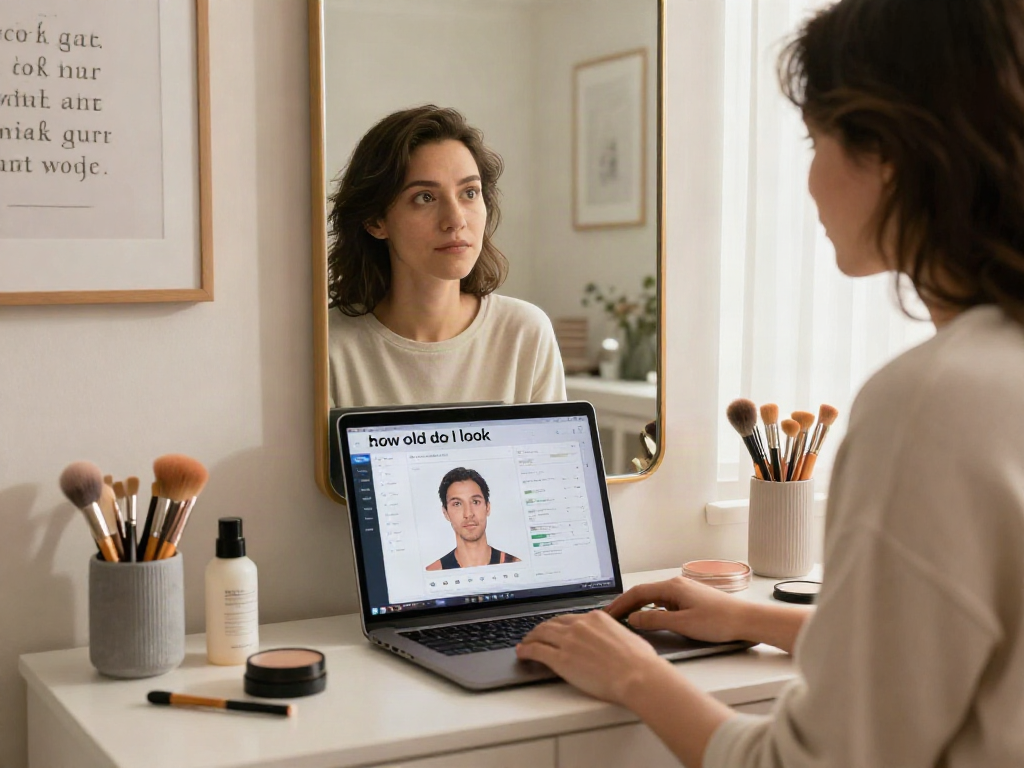
An attractiveness test is a tool designed to evaluate an individual's facial features against established beauty standards. Utilizing artificial intelligence and various beauty metrics, such as facial symmetry and the golden ratio, these tests produce a score that indicates perceived attractiveness. Many of these tests allow users to upload their photos for an instant assessment, generating feedback and sometimes even recommendations for improvement.
Key Features of Attractiveness Tests
- AI Algorithms: Most attractiveness tests leverage advanced AI technologies to analyze facial features accurately.
- Instant Feedback: Users receive immediate scores and insights after submitting their photos.
- Benchmarking: Many platforms provide comparative data, allowing users to see where they stand concerning various beauty standards.
Common Misconceptions About Attractiveness Testing
Many people believe that attractiveness tests determine one's worth, which is a significant misconception. While these tests can provide insights into beauty perceptions, they do not encapsulate an individual's value or character. Additionally, results can vary widely based on the algorithm's parameters and biases, making it essential not to take the scores too seriously.
How the Attractiveness Test Works
Attractiveness tests operate through a combination of facial analysis and scoring algorithms. Understanding how these assessments function is vital for users looking to gain insights from their results.
Technology Behind AI Beauty Assessment
The technology utilized in attractiveness testing includes facial recognition and machine learning algorithms. By mapping facial features—such as the distance between the eyes, lip shape, and jawline—these systems analyze symmetry and proportionality to generate scores. The underlying data is often curated from large databases, providing a comparative backdrop for evaluations.
Steps to Take the Attractiveness Test
- Upload Your Photo: Select a clear, high-quality image to ensure accurate analysis.
- Receive Your Score: After submitting your photo, the system will process it and produce a score based on various beauty metrics.
- Review Feedback: Examine the provided insights to better understand your strengths and areas for improvement.
Interpreting Your Scores and Feedback
Scores are typically presented on a scale, with accompanying comments that highlight key features contributing to your attractiveness score. It's important to approach these results with a critical mindset, recognizing them as reflections of societal standards rather than definitive assessments of personal beauty.
Benefits of Taking an Attractiveness Test
While the primary aim of these tests might seem trivial, there are several notable benefits associated with participating in them.
Gaining Confidence Through Feedback
Receiving constructive feedback about facial features can significantly boost self-esteem. Understanding which aspects of your appearance are generally considered attractive can help cultivate a more positive self-image.
Understanding Personal Beauty Standards
Attractiveness tests often reveal the nuances of personal beauty standards. By identifying the unique traits that contribute to your score, you gain insights into what features you may want to enhance or embrace.
Connecting with Community Through Shared Experiences
Engaging in attractiveness testing can foster connection among users who share their results and experiences online. This community aspect can help mitigate feelings of isolation often associated with beauty standards.
Challenges in Beauty Perception
Despite the benefits, there are also challenges that attractiveness tests present, particularly regarding how they can impact self-perception.
Addressing Negative Self-Image
For some, the results of an attractiveness test can reinforce negative self-image, especially if the outcomes do not align with personal or societal expectations. It's crucial to approach these results with a balanced perspective.
Combatting Social Media Influences
Social media often presents curated images of beauty that can skew perceptions of attractiveness. Attractiveness tests may further complicate this issue by providing a numerical value that can be misleading compared to real-life interactions and experiences.
Finding Balance in Beauty Comparison
It is essential to find a healthy balance when comparing oneself to others, especially in an age of constant digital connection. Understanding that attractiveness is subjective can help individuals navigate these waters more gracefully.
Future Trends in Attractiveness Assessments
As technology continues to evolve, so too will the nature of attractiveness assessments. Here are a few trends to watch for in the upcoming years.
Advancements in AI Beauty Technology for 2026
With rapid advancements in artificial intelligence, future attractiveness tests will likely become even more accurate and reflective of diverse beauty standards, integrating user feedback to enhance algorithms and modeling.
Emerging Trends in Personal Grooming and Self-Care
As beauty standards evolve, there is a growing focus on personal grooming and self-care. Attractiveness tests may incorporate new grooming trends and offer personalized recommendations based on users’ scores.
Visualizing Beauty: The Role of Virtual Reality
Virtual reality technology may soon allow users to visualize potential changes to their appearance, offering a new layer of interaction with the attractiveness testing process.
What is the appeal of attractiveness tests?
The allure of attractiveness tests lies in their promise to provide instant feedback on a deeply personal topic. Many people are curious to know how they measure up against perceived beauty standards, and these tests offer a straightforward way to explore those curiosities.
Are attractiveness tests reliable indicators of beauty?
While these tests can provide insights, their reliability is often debated. Factors like algorithm design and bias can significantly influence results, making them more of a reflection of societal standards than an absolute measure of beauty.
How can I improve my attractiveness score?
Improving an attractiveness score often involves focusing on key aspects such as facial symmetry and grooming. Simple changes like skincare routines, hairstyles, and even weight management can positively influence perceived attractiveness.
Can attractiveness tests help in dating?
For some, understanding their attractiveness score can boost confidence in dating scenarios. However, it’s essential to remember that successful relationships are built on much more than physical appearance.
What should I consider before taking an attractiveness test?
Before participating in an attractiveness test, it’s vital to consider your mindset. Approach the results with an understanding of their limitations, recognizing that beauty is subjective and multifaceted.