
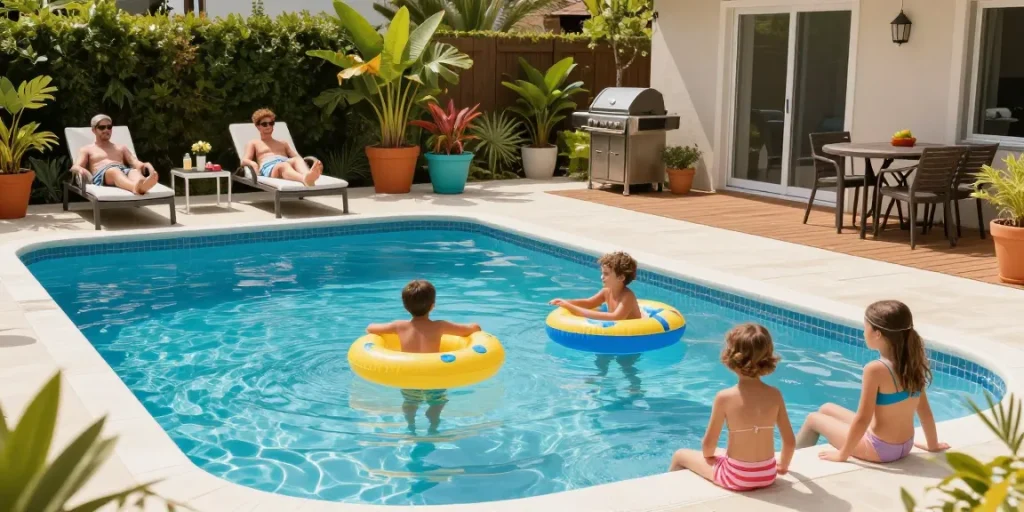
The Importance of Održavanje Bazena
Maintaining a pool is not just about having a beautiful backyard feature; it ensures the health and safety of everyone who uses it. Regular održavanje bazena plays a crucial role in prolonging the life of your investment and enhancing your swimming experience. Whether you own a private, public, indoor, or outdoor pool, understanding the importance of regular maintenance can transform your swimming space into a safe haven for relaxation and enjoyment. This article will explore the essential aspects of pool maintenance, the risks of neglect, and the benefits of professional services to help you achieve the optimal pool experience.
Why Regular Pool Maintenance Matters
Just like your car, your pool requires regular attention to function correctly. Performing regular maintenance helps to ensure that the pool is clean, safe, and enjoyable for everyone. A well-maintained pool provides the joy of swimming without the associated health risks. Regular checks can prevent minor issues from becoming major problems, saving you time and money in the long run.
Common Risks of Neglected Pools
Neglecting your pool can lead to various issues that compromise both safety and enjoyment. Here are some common risks associated with poorly maintained pools:
- Health Hazards: Dirty water can harbor harmful bacteria and algae, leading to skin irritations and infections.
- Equipment Damage: Ignoring maintenance can result in significant wear and tear on your pool’s filtration and circulation systems, leading to costly repairs.
- Costly Repairs: Minor issues, if not addressed promptly, can escalate into major problems requiring expensive repairs.
- Unpleasant Experience: A dirty or poorly maintained pool can detract from the experience of swimming, discouraging use altogether.
Benefits of Professional Pool Services
Hiring professional pool maintenance services offers numerous advantages. Professionals bring expertise, specialized equipment, and a thorough understanding of pool chemistry to the table. Moreover, they can help ensure that your pool is safe and clean, leaving you with more time to relax and enjoy the water.
Essential Maintenance Practices
To maintain a safe and enjoyable swimming environment, it’s essential to establish a routine for pool maintenance. This section outlines the key tasks needed to keep your pool in top condition:
Daily Maintenance Routines
Daily maintenance tasks are crucial for keeping the pool clean and inviting. These may include:
- Skimming Debris: Use a skimmer net to remove leaves, insects, and other debris from the water surface.
- Checking Water Level: Ensure that the water level is appropriate for the skimmer to function correctly.
- Inspecting Pump and Filter: Make sure your pump and filter are operating efficiently to maintain water clarity.
Weekly Cleaning Tasks
In addition to daily tasks, weekly maintenance helps ensure that your pool remains clean and safe:
- Vacuuming: Vacuum the pool floor to remove dirt and debris that may have settled.
- Brushing Walls: Brush the walls and tile to prevent algae buildup.
- Checking Chemical Levels: Test the water to ensure chemical levels are balanced, adjusting as necessary.
Monthly Chemical Testing
Monthly tests are essential for maintaining water quality. A comprehensive test should include:
- pH Levels: pH should be maintained between 7.2 and 7.8.
- Chlorine Levels: Free chlorine should be between 1-3 ppm.
- Alkalinity and Calcium Hardness: Proper levels help prevent scaling and corrosion.
Advanced Techniques for Optimal Pool Water Quality
For those looking to take their pool maintenance to the next level, advanced techniques can help ensure optimal water quality and cleanliness.
Understanding pH Levels and Balancing Chemistry
Understanding the chemistry of pool water is essential for maintaining a safe swimming environment. Here are some critical points to consider:
- pH Balance: Keeping pH levels stable helps prevent irritation to swimmers’ eyes and skin.
- Alkalinity Control: Proper alkalinity helps stabilize pH levels, preventing large fluctuations.
- Chlorine Adjustments: Chlorine is vital for sanitizing the water; adjust levels based on bather load and environmental factors.
Utilizing Advanced Filtration Systems
An advanced filtration system improves water clarity and quality. Consider options like:
- Sand Filters: Effective at removing larger particles from water.
- DE Filters: Great for capturing tiny debris and bacteria.
- Cartridge Filters: Easy to maintain and provide efficient filtration.
Preventing Algae Growth and Bacteria
Preventing algae and bacterial growth is a critical component of pool maintenance:
- Chemical Treatments: Utilize algaecides and shock treatments to control growth.
- Circulation Maintenance: Ensure good water circulation to disrupt algae growth.
- Regular Cleaning: Keep surfaces clean to minimize growth areas.
Seasonal Preparations for Pools
Preparing your pool for seasonal changes is crucial for maintaining its condition. Here’s how to get started:
Preparing Your Pool for Winter
Winterizing your pool protects it from freezing and other winter-related damage:
- Lower Water Levels: Reduce the water level to below the skimmer.
- Blow Out Lines: Clear water from the plumbing lines to prevent freezing.
- Covering the Pool: Use a winter cover to protect against debris and freezing temperatures.
Spring Startup Checklist
Before you dive back in for the swimming season, follow this checklist:
- Remove Pool Cover: Clean and store the cover properly.
- Water Testing: Test the water and adjust chemical levels as needed.
- Inspect Equipment: Ensure pumps, filters, and heaters are in working order.
Common Seasonal Issues and Solutions
Be prepared for common seasonal issues such as:
- Algae Growth: Increase chlorine levels and brush surfaces to prevent algae.
- Equipment Malfunctions: Inspect and repair any equipment before the season begins.
- Water Quality Issues: Regularly test and balance water chemically.
Choosing the Right Maintenance Service
Selecting a reliable pool maintenance service can make all the difference. Here are key factors to consider:
What to Look for in a Pool Maintenance Company
Choose a company that is reputable, experienced, and offers a range of services tailored to your needs. Look for customer testimonials and reviews to gauge their reliability.
Cost Considerations and Budgeting
Establish a budget for maintenance services, taking into account monthly and annual expenses. Keep in mind that spending a little can help avoid significant repair costs down the line.
Client Testimonials and Service Reviews
Reviews from previous clients provide insight into a company’s performance. Look for consistent quality and satisfaction in their service delivery.
What Are the Best Practices for DIY Pool Maintenance?
For those who want to manage their pool care, here are some best practices:
- Invest in Quality Tools: Ensure you have the right tools for cleaning and testing.
- Schedule Regular Maintenance: Create a cleaning schedule that you can stick to.
- Educate Yourself: Learn about pool chemistry and maintenance techniques.
How to Identify and Fix Common Pool Problems?
Common issues can often be resolved with simple troubleshooting:
- Cloudy Water: Adjust chlorine levels and check filtration.
- Algae Growth: Increase circulation and use algaecides as necessary.
- Equipment Noise: Inspect for blockages or worn parts.
What Should You Include in Your Pool Maintenance Checklist?
Your checklist should include daily, weekly, and monthly tasks such as:
- Checking water levels and clarity
- Brushing and vacuuming
- Testing chemical levels
- Inspecting and cleaning filters