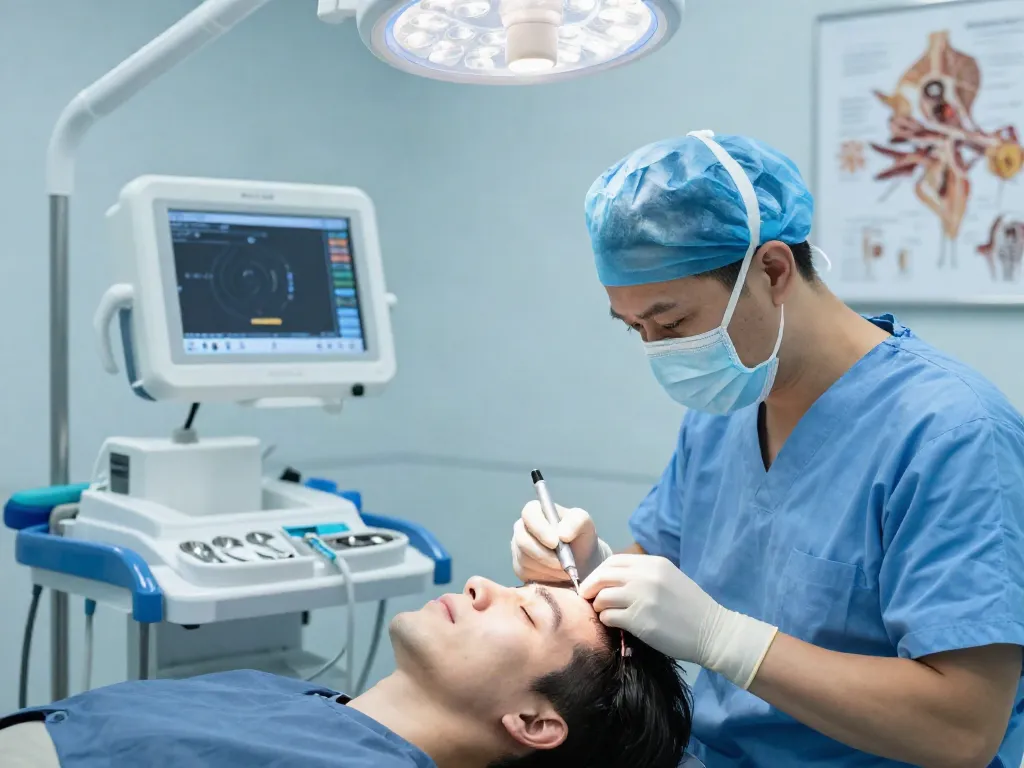
Understanding Hair Transplant Techniques
In the realm of hair restoration, understanding the variety of available techniques is pivotal for making an informed decision. Hair transplants, especially in Malaysia, offer promising results for individuals grappling with hair loss. At the forefront of these advancements is the SMART™ FUE (Follicular Unit Extraction) technique, which has garnered attention for its natural, scar-free results. When exploring options, Hair Transplant procedures are tailored to individual needs, ensuring that patients receive effective care tailored to their specific type of hair loss.
What Is Hair Transplantation?
Hair transplantation is a surgical procedure focused on the relocation of healthy hair follicles from one part of the body, known as the donor site, to areas of thinning or baldness, termed recipient sites. This surgical strategy is particularly beneficial for individuals experiencing androgenetic alopecia, also known as male or female pattern baldness. The beauty of hair transplantation lies in its ability to produce permanent and natural-looking results since transplanted hair retains its genetic predisposition to resist balding.
Types of Hair Transplant Procedures
There are primarily three hair transplant techniques commonly employed in Malaysia:
- Follicular Unit Extraction (FUE): Involves extracting individual hair follicles directly from the donor area using a specialized punch tool. This method is renowned for its minimal scarring and quicker recovery time.
- Follicular Unit Transplantation (FUT): Also known as the strip method, it removes a strip of scalp from the donor area, which is then divided into individual grafts for implantation. While it can yield a higher graft count in one session, it leaves a linear scar.
- Direct Hair Implantation (DHI): Builds on the FUE technique, utilizing a pen-like device to extract and implant grafts in one motion, enhancing control over the placement.
Choosing the Right Technique for You
Selecting the appropriate hair transplant technique is crucial and should align with your hair loss pattern, the availability of donor hair, budgetary constraints, and personal preferences regarding recovery time. Consulting a qualified specialist can provide insights tailored to your situation, ensuring optimal outcomes. The GLOJAS Specialist Clinic, with its advanced capabilities and expertise, can guide you through this selection process.
Cost Analysis of Hair Transplant in Malaysia
The financial aspect of a hair transplant can cause concern for many individuals considering this procedure. In Malaysia, costs are comparatively lower than in Western countries, making it an appealing option. The average price for hair transplants ranges from RM8,000 to RM30,000, or RM5 to RM15 per graft, translating to savings of approximately 40-60% compared to procedures in countries like the USA or UK.
Factors Influencing Hair Transplant Costs
Several variables affect the cost of hair transplants, including:
- Technique Used: Depending on whether FUE, FUT, or DHI is chosen, costs can vary significantly. FUE may be pricier per graft due to its intricate process.
- Graft Count: The number of grafts required to achieve desired density directly influences the total cost of the procedure.
- Clinic Reputation: Established clinics, especially those recognized for their success rates, may charge higher fees but usually provide greater assurance of quality.
Comparative Cost: Malaysia vs. Western Countries
As previously mentioned, Malaysia presents a cost-effective solution for hair transplants. In countries like the USA, typical costs can range from $4,000 to $15,000, which can deter many. Malaysia’s pricing makes it significantly more accessible, particularly for individuals seeking high-quality results without the exorbitant expenses often associated with cosmetic procedures in Western nations.
Financing Options Available
Many clinics in Malaysia, including GLOJAS, offer financing options to alleviate the financial burden of hair transplants. These plans often include monthly payment options that make the procedure feasible for a broader range of patients. Patients are encouraged to inquire about available financing solutions during their consultations.
Who Are Ideal Candidates for Hair Transplant?
Determining candidacy for a hair transplant involves assessing various factors that influence the success of the procedure. Ideal candidates typically exhibit stable hair loss patterns and sufficient donor hair availability. However, those experiencing diffuse thinning or unpatterned hair loss may need alternative treatments.
Assessing Your Hair Loss Pattern
It is important for candidates to understand their specific hair loss patterns, often classified using the Norwood scale for men and the Ludwig scale for women. These patterns help specialists determine the best approach for hair restoration.
Health Considerations Before Surgery
Prior to undergoing a hair transplant, candidates must undergo thorough health evaluations to identify any underlying conditions that might complicate surgery or recovery. Common considerations include blood clotting disorders, uncontrolled diabetes, and certain scalp conditions.
Consultation: What to Expect
A consultation typically involves a comprehensive evaluation of your hair loss, medical history, and expectations for the procedure. Specialists will also discuss the most suitable hair transplant techniques and develop a customized plan to achieve the desired outcome.
Understanding the Hair Transplant Process
Knowing what to expect before, during, and after a hair transplant can significantly enhance patient experience and satisfaction. The procedure typically unfolds in several stages:
Detailed Steps of a Hair Transplant
The hair transplant process involves the following steps:
- Preparation: Patients are briefed on the procedure, and minor modifications to their medications may be necessary. Local anesthesia is administered to ensure comfort.
- Harvesting: Depending on the chosen technique (FUE, FUT, or DHI), hair follicles are extracted from the donor area.
- Graft Placement: Extracted follicles are strategically implanted into thinning or bald areas. The surgeon meticulously designs the hairline, ensuring natural-looking results.
Post-Operative Care and Recovery
Post-operative care is vital to ensure proper healing and optimal results. Patients are usually provided with detailed instructions which include:
- Keeping the scalp clean and avoiding strenuous activities for a few days.
- Avoiding sun exposure and using appropriate medications as prescribed.
- Regular follow-up appointments to monitor healing progress.
Expected Outcomes and Success Rates
Hair transplant outcomes can vary, but most patients begin to see significant growth within 3 to 6 months post-surgery, with full results typically visible within a year. Success rates, particularly with advanced techniques like SMART™ FUE, remain high, often exceeding 90% in achieving patient satisfaction.
Future Trends in Hair Restoration
The hair restoration industry is continually evolving, with emerging technologies poised to redefine patient experiences. Here are a few trends to watch:
Emerging Technologies in Hair Transplant
Robotic-assisted hair transplant systems and new minimally invasive methods are becoming increasingly common. These technologies not only enhance precision but also improve the overall patient experience by reducing procedure time and recovery stages.
Long-Term Maintenance of Transplanted Hair
Long-term maintenance of transplanted hair involves ongoing care strategies, including the use of topical treatments and regular follow-ups with specialists to ensure that the transplanted hair remains healthy and continues to thrive.
Industry Predictions for 2026
By 2026, we can expect even more personalized hair restoration solutions, including advances in genetic testing to tailor treatment plans specifically to individual patients. This could lead to enhanced outcomes and satisfaction, marking a substantial leap forward in the hair transplant field.
How long will hair transplants last?
Hair transplants are designed to be permanent, given that the hair follicles are harvested from areas genetically resistant to balding. As such, patients can enjoy lasting results, provided they maintain their overall health and follow post-operative guidelines.
What are the risks associated with hair transplants?
While hair transplants are generally safe, potential risks include infection, scarring, and unsatisfactory aesthetic results. Thorough consultations and procedures performed by qualified specialists can mitigate these risks significantly.
How much do hair transplants typically cost?
The costs can range widely based on the technique used, graft count, and the clinic’s reputation. In Malaysia, prices are notably lower compared to Western countries, making it an attractive location for those considering hair restoration.
Is hair transplant success guaranteed?
No procedure can guarantee success; however, advancements in techniques and trained specialists increase the likelihood of satisfactory outcomes considerably. Patients are encouraged to set realistic expectations based on their specific circumstances.
What are the common types of hair transplant techniques?
The most common techniques include FUE, FUT, and DHI, each offering distinct advantages depending on the patient’s unique situation.