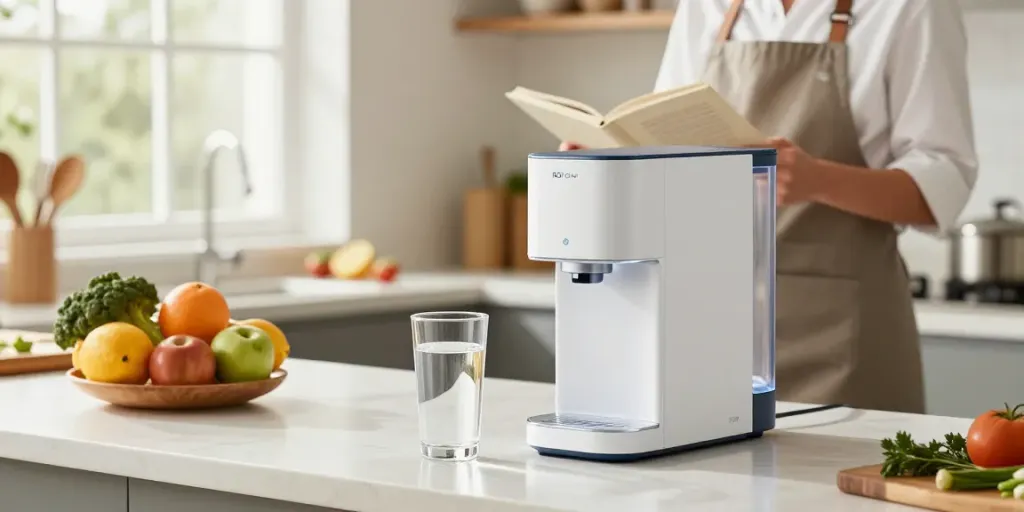
Understanding the Basics of Distilled and Purified Water
As society becomes more health-conscious, the importance of clean drinking water has become a central topic of discussion. Among the various types of water available, distilled water and purified water are often compared, with many people seeking to understand the distilled water purified water difference. While both are significantly purer than tap water, their production methods and suitability for daily consumption differ markedly.
What is Distilled Water?
Distilled water is a type of purified water that undergoes a specific process of distillation. This involves heating water to the boiling point, turning it into steam, and then cooling the steam back into liquid water. This process effectively removes dissolved solids, minerals, and a substantial number of contaminants, resulting in extremely pure water that is nearly devoid of impurities. Because of its high purity level, distilled water is often used in laboratories, medical facilities, and certain industrial applications where mineral-free water is crucial.
What is Purified Water?
Purified water, on the other hand, is water that has been treated to remove impurities, but it can be processed in various ways, including filtration, reverse osmosis, and distillation. The key characteristic of purified water is that it must meet rigorous standards set by governing bodies regarding contaminant levels. As a result, purified water preserves some of the beneficial minerals while effectively reducing harmful substances, making it safe for daily consumption.
Key Differences Between Distilled and Purified Water
The essential difference between distilled and purified water lies in their production processes and purity levels. While distilled water is produced through boiling and condensing, purified water can be made through various purification techniques. As a result, distilled water is typically more devoid of minerals, which can affect its taste and nutritional value compared to purified water.
Purification Processes Explained
How Distillation Works
In the distillation process, water is boiled until it vaporizes, leaving behind impurities such as minerals, salts, and contaminants. The vapor is then condensed back into liquid form, resulting in distilled water that is incredibly pure. This method is effective for removing a broad range of contaminants, making it a time-honored approach in water purification.
Understanding Reverse Osmosis
Reverse osmosis (RO) is a more modern purification method that uses a semi-permeable membrane to remove contaminants from water. When water is forced through this membrane under pressure, it leaves behind dissolved salts, heavy metals, and other impurities. RE systems may incorporate multiple filtration stages, including carbon filters and UV sterilization, to enhance the overall quality of the water produced.
Comparative Analysis of Purification Methods
When comparing distillation and reverse osmosis, both methods successfully remove a wide array of contaminants. However, reverse osmosis systems are generally faster and more efficient in producing larger quantities of purified water. While distillation may yield higher purity levels in some cases, it is also energy-intensive and less suitable for everyday household use due to the slow production rate.
Health Implications of Using Each Water Type
Benefits of Distilled Water
Distilled water is beneficial for specific applications where high purity is required, such as in medical settings or certain food preparation processes. The complete removal of minerals means that distillation offers a clean slate, free from any potential contaminants.
Benefits of Purified Water
Purified water, particularly from reverse osmosis systems, retains some essential minerals like calcium and magnesium, which are vital for health. Moreover, its great taste and low contaminants make it a preferred choice for daily hydration in many households.
Potential Risks of Long-term Distilled Water Consumption
While distilled water is safe to drink, consuming it exclusively over extended periods is generally not recommended. The lack of minerals can lead to deficiencies, and some people report a flat taste that may not be enjoyable in the long run. Additionally, relying solely on distilled water may not provide the hydration and nutrients the body requires.
Environmental Impact and Sustainability
Comparing Energy Use: Distillation vs. Reverse Osmosis
Energy consumption is a significant factor when considering water purification methods. Distillation requires continuous heating, consuming approximately 0.7–1.0 kWh per liter of water produced, which can be resource-intensive. In contrast, reverse osmosis systems generally consume much less energy, averaging below 0.05 kWh per liter, making them a more environmentally friendly option for households.
The Carbon Footprint of Bottled Water vs. Home Systems
Using either distilled or purified water at home drastically reduces the reliance on bottled water, thereby decreasing the associated environmental impact of plastic waste and transportation emissions. Both distillation and reverse osmosis systems enable households to produce their own clean drinking water, significantly supporting sustainability efforts.
Choosing Sustainable Water Solutions for Households
For sustainable households, the choice between distilled and purified water largely depends on personal preferences and needs. However, for everyday use, reverse osmosis systems tend to be more practical due to their efficiency and ability to produce filtered water rapidly.
Practical Considerations for Home Use
Best Uses for Distilled Water
Distilled water is best suited for specific applications, including certain laboratory tests, steam irons, and car batteries. Its high purity means it has no minerals that can lead to scaling or buildup in appliances, making it ideal for these specialized uses.
Why Reverse Osmosis is Ideal for Daily Drinking
Reverse osmosis water offers an excellent balance of purity, taste, and convenience, making it a preferable choice for daily drinking. It effectively removes contaminants while retaining beneficial minerals, ensuring that users enjoy both clean and flavorful water.
Choosing the Right Water Purification System for Your Home
When selecting a water purification system for your household, consider your specific needs, such as water quality concerns, daily use, and budget. For most households, a reverse osmosis system is an ideal solution, offering a steady supply of filtered water without the need for complex installations or plumbing modifications.
What is better for you to drink, distilled water or purified water?
The choice between distilled and purified water largely depends on individual preferences and health needs. While distilled water is very pure, it lacks minerals essential for daily health. Purified water, especially from reverse osmosis systems, typically provides a more balanced option with essential minerals included.
Does sink water count as distilled water?
No, sink water is typically treated tap water that may contain various pollutants or contaminants. Distilled water undergoes a rigorous purification process that removes these impurities, making it much purer than regular tap water.
Is purified water the same as filtered water?
Purified water is not necessarily the same as filtered water. While both undergo purification processes, purified water must meet higher standards regarding contaminant levels and can be produced through various methods, including reverse osmosis, distillation, or deionization.
Can I use purified water instead of distilled water?
Yes, in most cases, purified water can be used in place of distilled water for everyday consumption. However, for specific applications requiring ultra-pure water, distilled water is still the best choice.
What happens if I use purified water instead of distilled water?
Using purified water instead of distilled water is generally safe for drinking and cooking. However, for specific applications such as certain laboratory experiments or delicate appliances that require mineral-free water, distilled water should be used to avoid potential issues.