
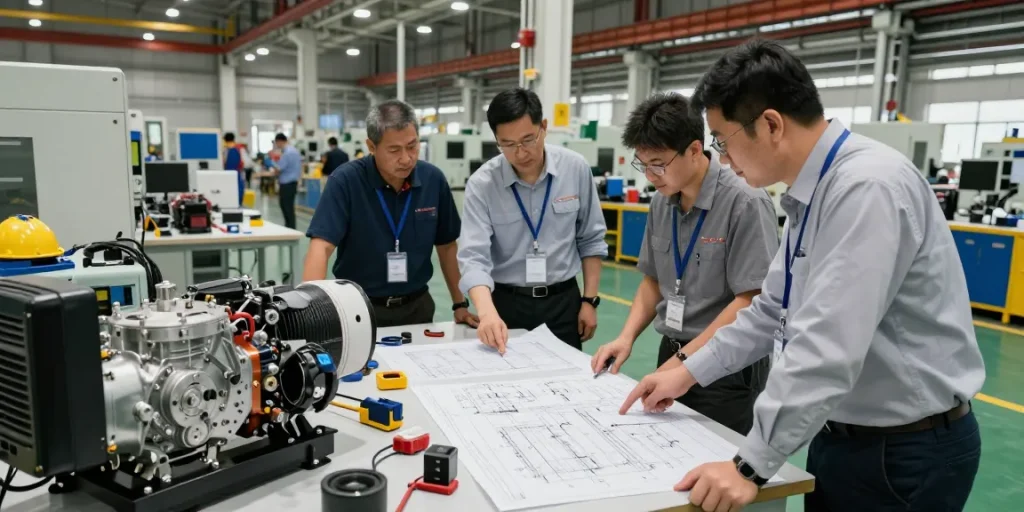
Understanding Industrial Generator Solutions
In today’s fast-paced industrial landscape, the demand for reliable and efficient power sources has never been more critical. Industrial generator solutions play a pivotal role in ensuring continuous operations across various sectors, from manufacturing to healthcare. As organizations seek to enhance their productivity and sustainability, understanding the nuances of generator sets becomes essential. When exploring options, industrial generator solutions provide comprehensive insights into the types of equipment that can meet specific operational needs.
What Are Industrial Generator Solutions?
Industrial generator solutions encompass a range of power generation equipment tailored to meet the demands of large-scale operations. These solutions are designed to provide backup power, continuous power, and even renewable energy storage, with capabilities that cater to specific industrial requirements. Unlike smaller generators used for residential purposes, industrial generators are robust, often featuring advanced technology that allows for higher output and efficiency. They can be a fundamental component in a facility’s energy strategy, ensuring uptime and compliance with regulatory standards.
Key Components of Generator Sets
At the heart of any industrial generator set (genset) lies a combination of essential components that work together to produce electricity. Understanding these components helps users optimize their systems:
- Engine: The engine is the core component that converts fuel into mechanical energy. Options range from diesel engines to natural gas engines, each providing distinct advantages based on operational needs.
- Alternator: This device transforms mechanical energy into electrical energy. It is crucial for determining the efficiency and power quality of the generator.
- Control Panel: The control panel allows operators to monitor and control the generator’s performance, including load management and diagnostics.
- Fuel System: This system ensures the supply of fuel to the engine, influencing both performance and efficiency. Different fuels can affect operational costs and environmental impact.
- Cooling System: Maintaining optimal operating temperatures is vital for performance and longevity, making the cooling system a critical part of the genset.
The Role of Customization in Efficiency
Each industrial operation has unique requirements that affect generator performance. Customization plays a significant role in maximizing efficiency. By tailoring generator sets to specific environmental conditions—such as temperature, humidity, and air quality—companies can ensure that their systems operate optimally. For high-utilization scenarios, careful consideration of fluid characteristics and load profiles allows manufacturers to recommend the most suitable generator configurations. Ultimately, personalized solutions lead to enhanced performance and reduced operational costs.
Market Trends in 2026
As we look toward 2026, the industrial generator industry is undergoing significant transformations driven by technological advancements and changing market dynamics. Understanding these trends can help organizations prepare for future challenges and opportunities.
Emerging Technologies in Power Generation
Emerging technologies are set to redefine the landscape of power generation. Innovations such as modular generator systems allow for easy scalability and flexibility in power supply. Additionally, smart grid technologies enable real-time monitoring and optimization of energy usage, supporting more efficient operations. Furthermore, integrations with renewable energy sources, such as solar and wind, are gaining traction, providing companies with cleaner power alternatives and reducing dependence on fossil fuels.
Global Demand for Sustainable Solutions
The urgency for sustainable energy solutions is more pronounced than ever before. Companies are increasingly adopting industrial generator solutions that support their sustainability goals. Renewable energy storage systems, for instance, are becoming a focal point as they allow organizations to harness renewable energy and store it for use during peak demands. This demand not only reduces the carbon footprint but also aligns with global initiatives for cleaner energy production.
The Impact of Regulatory Changes
Regulatory changes are shaping the industrial power generation landscape. New environmental policies and emission standards necessitate that businesses adopt cleaner technologies. These regulations can influence the design and operation of generator sets, pushing manufacturers to innovate and offer solutions that comply with stringent standards. Organizations need to stay abreast of these changes to ensure compliance and maintain a competitive edge.
Choosing the Right Generator for Your Needs
Selecting the right generator involves a comprehensive assessment of operational requirements and potential constraints. The right choice can significantly impact efficiency and cost-effectiveness.
Assessing Operational Requirements
When evaluating generators, businesses must consider their operational needs—such as power output, runtime, and load variability. Factors like the type of equipment being powered and emergency versus continuous usage must also be assessed. This evaluation aids in determining the most suitable generator type and capacity.
Factors Influencing Generator Performance
Several factors influence generator performance, including:
- Load Type: The nature of the load—whether it is constant, variable, or peak—can affect the choice of generator.
- Environmental Conditions: Extreme temperatures and humidity levels can impact engine efficiency and longevity.
- Maintenance Procedures: Regular maintenance can prevent breakdowns and ensure optimal performance throughout the generator’s lifecycle.
Case Studies: Successful Implementation
Examining real-world applications provides valuable insights into the successful implementation of industrial generator solutions. For example, a manufacturing facility facing frequent power outages adopted a customized generator set that not only ensured uninterrupted production but also aligned with their sustainability goals by utilizing biodiesel fuel. This switch not only improved operational reliability but also enhanced their market reputation as a socially responsible business.
Cost-Effectiveness and ROI
The financial implications of investing in industrial generator solutions are significant. Organizations need to approach budgeting and financial forecasting with a strategic mindset.
Budgeting for Industrial Generator Solutions
When budgeting for industrial generators, businesses should account for initial procurement costs, installation expenses, and ongoing operating costs. Additionally, potential savings from reduced downtime and maintenance should be factored into the ROI calculations. A thorough financial analysis can guide companies in making informed investment decisions.
Calculating Life Cycle Costs
Life cycle costs (LCC) encompass the total cost of ownership throughout the generator’s lifespan, including acquisition, operation, maintenance, and disposal costs. By analyzing LCC, companies can identify opportunities to reduce expenses and improve profitability. For instance, selecting high-efficiency generators may result in lower fuel consumption and maintenance needs, leading to long-term savings.
Long-Term Benefits of Quality Installation
The quality of installation plays a crucial role in the performance and reliability of industrial generator solutions. Investing in expert installation ensures that all components function optimally and comply with industry standards. Over time, this investment can minimize repairs and increase the lifespan of the generator, providing exceptional long-term value.
Future Innovations in Power Generation
As technologies advance, the future of power generation is poised for remarkable innovations that promise enhanced efficiency and sustainability.
Smart Grids and Integration with Renewables
The transition to smart grids, which incorporate real-time data and analytics, is set to transform how industries manage and distribute energy. These grids facilitate the integration of renewable energy sources, allowing for more resilient and adaptive power systems. Companies adopting smart grid solutions can optimize energy usage, reduce costs, and contribute to a greener ecosystem.
Predictive Maintenance and IoT Solutions
The Internet of Things (IoT) is revolutionizing maintenance practices through predictive analytics. By equipping generators with IoT sensors, manufacturers can monitor performance metrics in real time, detecting anomalies before they lead to failures. This proactive approach reduces downtime, enhances reliability, and lowers maintenance costs, ultimately leading to a more efficient operation.
Preparing for Future Power Needs
Organizations must remain agile in anticipating future power needs, driven by technological advancements and evolving market demands. By investing in scalable solutions and exploring hybrid power options, businesses can position themselves to adapt to changing energy landscapes effectively.
What types of industrial applications utilize generator sets?
Generator sets find application across various industries, including construction sites, manufacturing plants, hospitals, data centers, and events. Each sector has specific power requirements that dictate the type of generator needed, ranging from mobile units for temporary applications to permanent installations for critical infrastructure.
How do environmental conditions affect generator performance?
Environmental conditions, such as altitude, temperature, and humidity, can significantly impact generator performance. High altitudes can reduce engine performance due to lower air density, while extreme temperatures can affect cooling systems. Understanding these factors allows operators to select appropriate equipment and optimize performance based on their unique environment.
What is the process for customizing a generator solution?
Customizing a generator solution typically involves assessing operational needs, environmental conditions, and specific application requirements. Manufacturers often work closely with clients to determine critical factors, enabling them to design generator sets that optimize efficiency and performance. This process usually includes discussing specifications, testing prototypes, and iterating until the optimal solution is developed.
What are the benefits of using sustainable energy sources?
Utilizing sustainable energy sources, such as solar or wind, significantly reduces the carbon footprint associated with power generation. Additionally, they can lead to cost savings in fuel expenses, align with corporate social responsibility goals, and enhance brand reputation among environmentally conscious consumers.
How can companies ensure compliance with safety standards?
Ensuring compliance with safety standards involves regular audits, adherence to regulatory guidelines, and ongoing employee training. Utilizing equipment that meets international standards and investing in high-quality installation can further enhance safety and reliability within industrial operations.