Understanding Phosphatidylserine Powder
Phosphatidylserine (PS) powder is a phospholipid that plays a crucial role in cellular function, primarily within brain cells. As a vital component of cellular membranes, it is essential for maintaining cell signaling and overall health. With its growing recognition for cognitive health, PS has become a popular supplement among individuals aiming to enhance memory, mood, and overall brain function. When exploring options, phosphatidylserine powder offers a variety of formulations and purity levels, catering to different health needs.
What is Phosphatidylserine Powder?
Phosphatidylserine powder is derived from soy or sunflower lecithin and is composed of amino acids and phospholipids. It acts as a vital structural component in cell membranes, particularly in the brain. This compound is known for its role in promoting cognitive health and is frequently used in supplements aimed at enhancing memory, concentration, and mental clarity. The interest in phosphatidylserine has surged in the health and wellness sector due to its potential neuroprotective benefits and ability to support various forms of brain health.
Health Benefits and Uses of Phosphatidylserine Powder
- Cognitive Enhancement: Research has shown that phosphatidylserine may help improve memory, learning, and overall cognitive performance, making it beneficial for students and professionals.
- Stress Reduction: By modulating cortisol levels, phosphatidylserine may help mitigate the effects of stress, contributing to a more balanced mood.
- Support in Age-Related Decline: As individuals age, phosphatidylserine can aid in counteracting cognitive decline associated with aging.
- Exercise Recovery: Athletes may benefit from phosphatidylserine supplementation, as it can help reduce exercise-induced stress and improve recovery times.
Important Specifications to Consider
When selecting phosphatidylserine powder, it's essential to review several critical specifications:
- Source: Phosphatidylserine is typically derived from either soybeans or sunflowers. Non-GMO sources are preferable for both health and quality.
- Purity Levels: It is available in various concentrations, commonly ranging from 20% to 80%. The choice of concentration should be based on individual health goals and recommendations from healthcare providers.
- Testing Method: A reputable supplier should utilize HPLC-ELSD for testing to ensure the product's quality and purity.
- Certifications: Look for certifications like ISO 9001, Halal, Kosher, and non-GMO, which indicate high quality and adherence to health and safety standards.
How Phosphatidylserine Powder is Produced
The production methods for phosphatidylserine play a significant role in determining its quality and effectiveness. Understanding these processes can help consumers make informed choices.
Enzymatic vs. Chemical Production Methods
Phosphatidylserine can be produced through enzymatic or chemical methods. The enzymatic method utilizes phospholipase D, an enzyme that converts phosphatidylcholine into phosphatidylserine. This approach is generally preferred due to its natural process, which does not involve the use of harsh chemicals or solvents, thereby preserving the compound's integrity and bioactivity.
Raw Material Sourcing and Quality Control
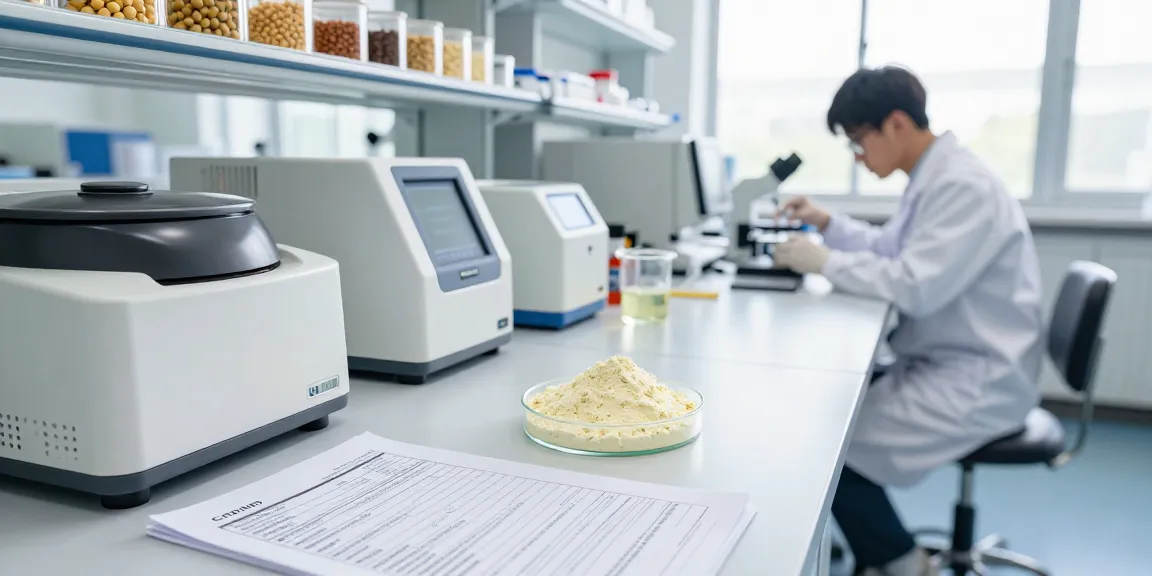
Quality starts with sourcing. The best phosphatidylserine is derived from high-quality, non-GMO soybeans or sunflowers. Manufacturers should maintain stringent quality control measures throughout the production process to ensure the final product is free from contaminants or undesirable substances. By partnering with reliable suppliers and utilizing advanced production technologies, companies can assure customers of their product's quality.
The Role of Non-GMO Ingredients
Non-GMO ingredients are increasingly preferred in food and supplement production, including phosphatidylserine powder. Non-GMO products offer enhanced safety and purity, making them a more appealing choice for health-conscious consumers. This is especially important for phosphatidylserine, which is often used in dietary supplements targeting cognitive health.
Key Factors to Evaluate Suppliers of Phosphatidylserine Powder
Choosing the right supplier is critical for ensuring the quality and safety of phosphatidylserine powder. Here are some key factors to consider:
Certifications and Quality Assurance
To ensure that consumers receive a quality product, suppliers should possess relevant certifications, such as ISO 9001, ISO 22000, and other industry-standard certifications. These certifications indicate compliance with quality management systems and safety standards that protect consumers.
Technological Innovations in Production
Suppliers that invest in innovative technologies often provide high-quality phosphatidylserine powder. Look for companies that utilize advanced enzymatic production methods and have patented technologies that enhance the efficiency and efficacy of their products.
Customer Reviews and Reputation Analysis
Before selecting a supplier, investigate customer reviews and feedback to gauge their reputation in the industry. A reliable supplier should demonstrate a history of positive experiences, reinforcing their commitment to quality and customer satisfaction.
Common Challenges When Choosing a Supplier
Selecting a supplier for phosphatidylserine powder can present several challenges, including:
Misleading Product Claims and Labels
With the rising popularity of phosphatidylserine powder, some suppliers may make exaggerated claims on their labels. Consumers should remain vigilant and ensure that product labels accurately reflect the contents and quality.
Understanding COA and Testing Methods
A Certificate of Analysis (COA) is essential for verifying the authenticity and quality of phosphatidylserine powder. Understanding the testing methods employed and reviewing the COA helps buyers confirm the product's purity and safety.
Price vs. Quality Dilemma
Lower-priced products may seem appealing, but it is crucial to assess whether they compromise quality. In the supplement industry, investing in higher-quality phosphatidylserine often yields better results and fewer adverse effects.
Future Trends in Phosphatidylserine Powder Market
The market for phosphatidylserine powder is evolving, influenced by emerging trends and consumer demands. Here’s what to expect:
Anticipated Developments in Production Techniques
Future advancements in production techniques are likely to focus on increasing the efficiency and sustainability of phosphatidylserine synthesis. Innovations may include greater utilization of plant-based sources and processes that reduce environmental impacts.
Market Demand Predictions for 2026
As awareness of cognitive health continues to rise, the demand for phosphatidylserine powder is expected to grow significantly by 2026. Increased interest in brain health supplements among aging populations and students may drive this trend.
Consumer Awareness and Educational Trends
Consumers are becoming more educated about supplements and their benefits. This trend is leading to a demand for transparency in sourcing, production practices, and health benefits, emphasizing the importance of supplier credibility.
What is the best way to store phosphatidylserine powder?
To maintain its effectiveness, phosphatidylserine powder should be stored in a cool, dry place, away from direct sunlight. Proper storage helps preserve its potency and extends its shelf life.
Are there any side effects associated with phosphatidylserine powder?
While phosphatidylserine is generally considered safe, some individuals may experience minor side effects, such as digestive upset or insomnia. It’s advisable to consult a healthcare provider before starting any new supplement.
How do I verify a phosphatidylserine powder supplier’s certifications?
To verify a supplier’s certifications, request copies of their certifications and review their quality control processes. Legitimate suppliers are transparent about their compliance with industry standards.
What are the recommended dosages of phosphatidylserine powder?
Typical dosages for phosphatidylserine range from 100 to 300 mg per day, depending on the specific health goals and individual needs. Always consult a healthcare professional for personalized recommendations.
How can I integrate phosphatidylserine powder into my diet?
Phosphatidylserine powder can be easily integrated into your diet by adding it to smoothies, shakes, or protein powders. It can also be encapsulated in supplement form for those who prefer a more convenient option.