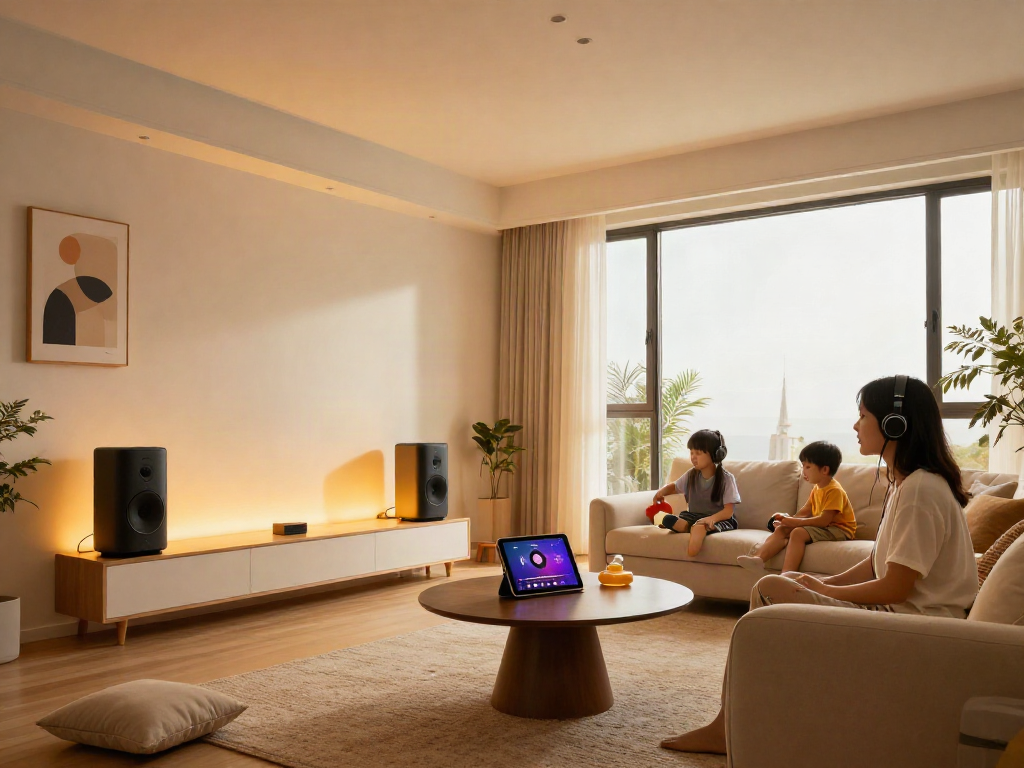
Understanding Ceiling Speakers: An Introduction
Ceiling speakers have emerged as a popular solution for integrating high-quality audio into both residential and commercial spaces. These discreet audio systems offer a blend of functionality and aesthetics that can elevate the sound experience without compromising on interior design. Whether for a home theater setup or a multi-room audio system, ceiling speakers bring versatility and elegance. When exploring options, خرید اسپیکر سقفی provides comprehensive insights to help you choose the right model for your needs.
What are Ceiling Speakers?
Ceiling speakers are built-in audio systems that are installed directly into the ceiling, providing a clean, unobtrusive look while delivering high-quality sound. Unlike traditional speakers, which require floor or shelf space, ceiling speakers can blend seamlessly into the ceiling structure, making them ideal for maximizing space in any room. They often feature a flush mount design that allows them to sit nearly flush with the ceiling, minimizing their visual footprint.
Benefits of Installing Ceiling Speakers
There are several advantages to installing ceiling speakers in your home or office:
- Space-saving design: Ceiling speakers do not occupy floor space, making them perfect for tight areas or minimalist designs.
- Enhanced sound experience: They can provide a more immersive audio experience, especially when positioned correctly, as sound can fill a room more evenly.
- Flexible placements: Ceiling speakers can be arranged in various configurations, including stereo pairs or surround sound setups, to suit different room layouts and listening preferences.
- Low profile: They offer a discreet audio solution that doesn’t interfere with the decor, making them a popular choice for modern interiors.
Types of Ceiling Speakers Available
Ceiling speakers come in various types, each designed to meet specific audio needs:
- Passive ceiling speakers: These require an external amplifier to function and are typically used in custom audio installations.
- Active ceiling speakers: These have built-in amplifiers, making them easier to install and operate without additional components.
- Surround sound ceiling speakers: Specifically designed for home theater systems, these speakers are optimized for surround sound applications.
- Weather-resistant ceiling speakers: Ideal for outdoor use or in humid areas like bathrooms, these speakers are built to withstand moisture and harsh conditions.
The Buying Guide for Ceiling Speakers
When considering the purchase of ceiling speakers, it’s essential to evaluate several factors to ensure that you choose a product that fits your needs and expectations.
Key Features to Look for in Ceiling Speakers
When shopping for ceiling speakers, pay attention to the following features:
- Power handling: Look for speakers that can handle sufficient wattage and match the output of your amplifier for optimal performance.
- Frequency response: A wider frequency range means better sound quality, capturing both low bass and high treble sounds effectively.
- Impedance: Most ceiling speakers are either 4, 6, or 8 ohms; ensure compatibility with your audio system.
- Material quality: Look for durable materials that can withstand time, such as high-quality drivers and grilles.
- Design: Choose a model that complements your interior design style, as aesthetics are important for ceiling speakers.
Understanding Your Space: Room Considerations
Before installation, assess your room size and layout. Here are some key considerations:
- Room size: Larger rooms may require more speakers or those with higher wattage to fill the space with sound.
- Ceiling height: The height of your ceiling can impact sound dispersion; higher ceilings may require specialized speakers for optimal sound distribution.
- Room function: Consider how the room will be used (e.g., entertaining, watching movies) to determine the best speaker configuration.
Budgeting for Your Ceiling Speaker Purchase
Setting a budget is crucial when shopping for ceiling speakers. Prices can range significantly based on brand, features, and sound quality. Here are some budgeting tips:
- Determine your needs: Consider how many speakers you need and their intended purpose (e.g., casual listening vs. immersive sound experience).
- Price range: Expect to pay from $50 to over $500 per speaker depending on the quality and functionality.
- Installation costs: Factor in potential installation costs if you plan to hire a professional. DIY installation can save money if you are comfortable with home improvement projects.
Installation Process for Ceiling Speakers
Installing ceiling speakers can be a straightforward process, whether you choose to do it yourself or hire a professional. Understanding the installation process will help you make an informed decision.
DIY vs. Professional Installation
Choosing between DIY installation and hiring a professional can depend on your confidence in your skills and the complexity of the installation:
- DIY installation: This can save you money and offer a satisfying project. Most ceiling speakers come with installation instructions that make it manageable for a handy person.
- Professional installation: If you want to ensure optimal placement and performance, hiring an expert may be worth the investment, especially for more complex systems.
Step-by-Step Installation Guide
If you decide to install the speakers yourself, follow these general steps:
- Choose the location: Decide where to place your speakers for the best sound coverage, typically in symmetrical positions throughout the room.
- Measure and mark: Measure the diameter of the speakers and mark the cutouts on the ceiling.
- Cut the holes: Use a drywall saw to cut out the marked holes carefully.
- Run wiring: Feed speaker wire through the holes from your audio source to each speaker location.
- Connect the speakers: Attach the wires to the speakers according to the manufacturer's instructions, then mount them in the ceiling openings.
- Test your setup: Once installed, test the system to ensure everything is functioning properly.
Common Installation Mistakes to Avoid
To ensure a successful installation, avoid these common mistakes:
- Improper placement: Ensure speakers are not too close to corners or walls, as this can distort sound quality.
- Neglecting wiring: Use high-quality speaker wire and ensure all connections are secure to avoid sound issues.
- Overlooking power requirements: Make sure your audio system can adequately power the ceiling speakers.
Maximizing Sound Quality with Ceiling Speakers
To get the most out of your ceiling speakers, consider the following strategies to enhance sound quality:
Positioning Your Ceiling Speakers for Optimal Sound
Correct positioning is critical for achieving the best sound quality. Here are some guidelines:
- Spacing: Position speakers at least six feet apart to create a balanced sound stage.
- Angle: Aim speakers towards the main listening area for direct sound delivery.
- Height: Ensure that speakers are installed at an appropriate height for sound projection, typically between 7 to 9 feet off the floor.
Integrating Ceiling Speakers with Home Audio Systems
For enhanced audio experiences, consider how to best integrate your ceiling speakers with your existing home audio setup:
- Receiver compatibility: Ensure your audio receiver can support ceiling speakers, including the correct impedance and power specifications.
- Multi-room audio systems: Look for systems that allow for easy integration of ceiling speakers for multi-room setups.
- Smart home technology: Explore integration with access to streaming services and voice control for a modern listening experience.
Maintenance Tips for Long-Lasting Performance
To keep your ceiling speakers in the best condition and ensure longevity, follow these maintenance tips:
- Regular cleaning: Dust the grilles and surrounding areas to keep sound quality clear.
- Check connections: Periodically inspect wire connections to avoid any signal loss or sound issues.
- Avoid over-driving: Be mindful of volume levels; over-driving speakers can damage them over time.
Future Trends in Ceiling Speaker Technology
The ceiling speaker market is evolving rapidly as technology advances. Here’s what to expect in the coming years:
Emerging Innovations in Sound Technology
As technology continues to advance, we can anticipate several innovations that will enhance ceiling speakers:
- Wireless technology: With the increasing popularity of wireless audio systems, expect more ceiling speakers to feature Bluetooth or Wi-Fi capabilities for seamless streaming.
- Adaptive sound technology: Future ceiling speakers may feature adaptive technology, adjusting sound output based on room acoustics for optimal performance.
- Improved materials: Innovations in materials will likely lead to lighter and more durable speakers with better sound quality.
Smart Home Integration with Ceiling Speakers
The trend of integrating smart technology into home audio systems is growing, impacting ceiling speakers:
- Voice control: Many new ceiling speakers may come compatible with smart assistants like Alexa or Google Assistant for hands-free control.
- App integration: Expect more brands to offer dedicated apps for easy management of sound settings and seamless updates.
- Home automation: Future ceiling speakers may integrate with broader home automation systems for personalized audio experiences.
What to Expect in the Ceiling Speaker Market by 2026
Looking ahead, the ceiling speaker market is expected to grow significantly, driven by advancements in technology and changing consumer preferences:
- Market growth: The demand for high-quality, aesthetically pleasing audio solutions in residential and commercial spaces will continue to drive market expansion.
- Increased consumer awareness: As more consumers understand the benefits of ceiling speakers, sales are likely to rise.
- Innovative designs: Expect even more innovations in designs that focus on seamless integration into modern interiors.
What are the advantages of ceiling speakers?
Ceiling speakers are advantageous for their space-saving design, aesthetic appeal, and the ability to create an immersive sound experience without cluttering your living space. They provide flexibility in integration with various audio systems, making them suitable for multiple applications.
How to install ceiling speakers yourself?
DIY installation involves selecting a location, cutting holes in the ceiling, running speaker wire, and securely mounting the speakers. Following the manufacturer's instructions and ensuring proper placement will help yield the best results.
What features should I prioritize when buying ceiling speakers?
Prioritize power handling, frequency response, impedance compatibility, and durable materials. Aesthetics and design should also match your interior style.
Are ceiling speakers suitable for outdoor use?
Yes, there are weather-resistant ceiling speakers designed specifically for outdoor use, providing durability while delivering excellent sound quality in external environments.
What trends should I watch in ceiling speaker technology?
Keep an eye on emerging wireless technologies, advanced sound processing, and smart home integrations that will enhance usability and performance in ceiling speaker systems.