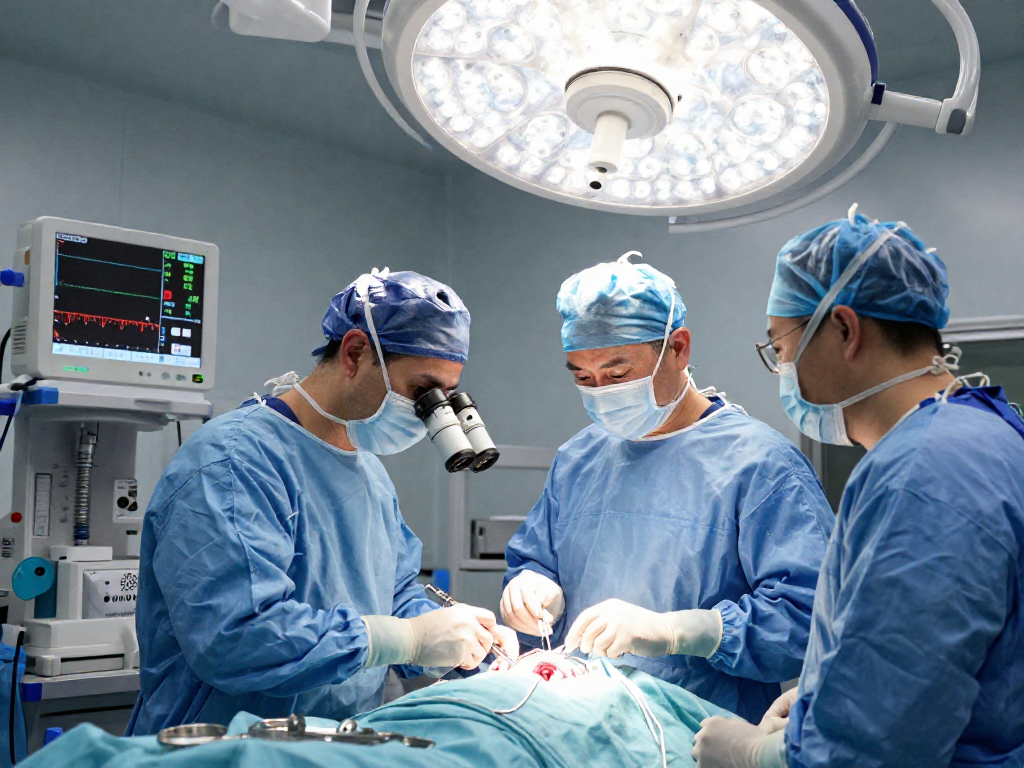
Understanding Brain Tumor Surgery
Brain tumor surgery remains one of the most effective interventions for treating both benign and malignant tumors. As awareness about brain tumors grows, understanding the key aspects of beyin tümörü ameliyatı becomes increasingly crucial for patients and their families. This comprehensive guide will explore the various facets of brain tumor surgeries, from the types of tumors to surgical techniques and postoperative care.
What is Brain Tumor Surgery?
Brain tumor surgery refers to a range of surgical procedures aimed at removing tumors from the brain. It can involve the removal of the tumor itself, along with surrounding tissues to ensure complete excision and minimize the risk of recurrence. The specific method of surgery can vary significantly based on the tumor's size, location, and type, making it essential to tailor the approach to each patient's unique condition.
Types of Brain Tumors and Surgical Approaches
There are several primary types of brain tumors, which can be broadly categorized into primary and secondary tumors. Primary tumors arise from brain tissue, while secondary tumors originate from cancer that has spread from other parts of the body, known as metastasis. The most common types include:
- Meningiomas: Typically benign and arising from the meninges, these tumors may develop slowly and can often be completely removed through surgery.
- Gliomas: These can be benign or malignant and arise from glial cells. Glioblastoma Multiforme (GBM), a type of glioma, is particularly aggressive.
- Metastatic Brain Tumors: These are cancerous tumors that have spread from other areas of the body, requiring a multifaceted treatment approach.
Each tumor type may require different surgical techniques, including craniotomy, stereotactic surgery, or awake craniotomy, where the patient is awake during part of the procedure to ensure critical brain functions are preserved.
Key Benefits of Surgical Intervention
Surgical intervention for brain tumors provides several significant benefits, including:
- Symptom Relief: Removing a tumor can alleviate pressure on the brain, reducing symptoms such as headaches and seizures.
- Tumor Removal: Surgery can often remove a significant or complete portion of the tumor, which is crucial for patients with malignant tumors.
- Diagnostic Information: Surgical procedures allow for histopathological examinations, leading to more accurate diagnoses and tailored treatment plans.
Preparing for Brain Tumor Surgery
Preparation for brain tumor surgery involves comprehensive assessments and planning to ensure the highest level of safety and efficacy. Prior to surgery, medical professionals will typically conduct imaging tests and possibly a biopsy to evaluate the tumor's characteristics and its relationship with surrounding brain structures.
Preoperative Assessments and Planning
In the preoperative phase, various assessments are conducted, including imaging studies like MRI and CT scans. These examinations help surgeons understand the tumor's location, size, and its relation to critical brain structures. This information is vital for planning the surgical approach to minimize complications and maximize the potential for successful tumor removal.
Patient Safety Measures Before Surgery
Ensuring patient safety is paramount in the lead-up to surgery. This may involve administering corticosteroids to reduce swelling, as well as thorough monitoring of the patient's overall health. Anesthesia consultations are also crucial, where the anesthesiologist reviews the patient’s medical history and prepares an individualized anesthesia plan.
What to Expect on Surgery Day
On the day of surgery, patients can expect to undergo several preparations. After arriving at the hospital, they will be briefed by their surgical team to ensure they understand the procedure and what to expect. Monitoring devices will be applied to track vital signs throughout the process, and anesthesia will be administered once the patient is in the operating room.
The Surgical Procedure Explained
The surgical procedure for brain tumors varies based on the tumor type and location, but typically consists of several key stages.
Steps Involved in Brain Tumor Resection
The initial step involves making an incision in the scalp, followed by a craniotomy where a section of the skull is temporarily removed to access the brain. Once the tumor is located, the surgeon will carefully excise it, taking care to preserve surrounding healthy tissue and vital brain structures. In cases where the tumor is located close to critical areas, techniques such as awake craniotomy may be used to monitor brain function in real-time.
Advanced Techniques in Neurosurgery
Modern neurosurgery employs advanced techniques that enhance the safety and precision of tumor removals.
- Neuronavigation: Similar to GPS, this technology allows surgeons to navigate the brain with accuracy.
- Intraoperative MRI: This imaging tool provides real-time feedback to ensure complete tumor removal.
- Awake Surgery: Patients may be awakened during critical parts of the operation to test neurological function and minimize damage.
Post-operative Monitoring and Care
Following surgery, patients will be closely monitored in a recovery area or intensive care unit. This phase involves tracking vital signs and ensuring there are no immediate complications such as bleeding or infection. Pain management is also a critical component of post-operative care, with adjusted medications to facilitate a smooth recovery.
Risks and Considerations
As with any surgical procedure, brain tumor surgery carries certain risks and potential complications that patients must be aware of.
Potential Complications of Brain Tumor Surgery
Complications can range from infection and bleeding to neurological deficits, depending on various factors such as surgery duration and tumor location. Patients might experience swelling or seizures, and monitoring for these complications is essential during the recovery phase.
Managing Post-operative Pain and Recovery
Effective pain management is crucial for recovery. Patients will typically be prescribed medications to control pain and minimize discomfort following surgery. Physical therapy and rehabilitation may also be recommended to aid recovery over time, especially if there have been any neurological impacts from the tumor or the surgery itself.
Long-term Prognosis and Follow-up Care
The prognosis following brain tumor surgery depends on various factors, including tumor type and grade, the extent of removal, and overall patient health. Regular follow-up appointments for monitoring recurrence or new growths are vital for long-term success. Imaging techniques like MRI will be used to assess the brain over time.
Current Trends and Future of Brain Tumor Surgery
The field of neurosurgery is continually evolving, with exciting innovations improving outcomes for patients undergoing brain tumor surgeries.
Innovative Technologies in Neurosurgery for 2026
Looking ahead to 2026, advancements in technology such as artificial intelligence and robotic-assisted surgeries are set to revolutionize the field. These innovations aim to enhance precision during operations, reducing recovery times and improving overall patient outcomes.
Future Outcomes and Patient Success Stories
As surgical techniques and technologies improve, patient success stories are increasingly common. Advances in treatment, including improved methodologies and tailored therapies, are resulting in higher survival rates and improved quality of life for patients diagnosed with brain tumors.
How Research is Shaping the Next Decade of Surgery
Ongoing research in brain tumor biology and treatment is crucial for developing more effective therapies. Clinical trials are essential for discovering new treatments and will play a significant role in shaping future surgical practices.
What are the signs indicating a need for brain tumor surgery?
Symptoms such as persistent headaches, seizures, visual disturbances, and neurological deficits often indicate the need for an evaluation that may lead to surgery.
How long does recovery take after brain tumor surgery?
Recovery can vary widely depending on the surgical approach, the tumor's characteristics, and the individual patient's health—typically ranging from a few weeks to several months.
Are there non-surgical alternatives to treat brain tumors?
Non-surgical options such as radiation therapy, chemotherapy, and targeted therapies are available, particularly for tumors that are not readily accessible or are inoperable.
What should patients discuss with their surgeon beforehand?
Patients should discuss the potential risks, benefits, and expected outcomes of surgery, as well as any concerns about their specific case with their surgeons.
What are the roles of multidisciplinary teams in brain tumor treatment?
A multidisciplinary approach ensures comprehensive care, integrating the expertise of surgeons, oncologists, radiologists, and other specialists for optimal treatment outcomes.. Additionally, beyin tümörü ameliyatı provides further details.