
Understanding the Importance of School Bus Safety
School buses are an integral part of the educational landscape in Canada, transporting over two million children daily to their schools. This reliable mode of transportation is often trusted to keep young passengers safe, yet recent accidents have ignited discussions about the necessity for enhanced safety measures. Among those advocating for this change is Manitoba school bus driver Jodi Ruta, whose passion for improved safety protocols stems from a traumatic experience she faced in 2023. The need for robust safety initiatives is underscored by statistical data, community involvement, and up-to-date regulations. In this exploration, we will delve into the critical aspects of school bus safety, emphasizing the importance of proactive advocacy and the role of community stakeholders, including Clinton Orr.
What Statistics Say About School Bus Safety Risks
Statistics on school bus safety are somewhat reassuring; fatalities involving school bus passengers in Canada are extremely rare. However, even with a high safety rating, considerations must be made regarding the nature of student exposure to potential dangers. For instance, in Ontario between 1990 and 1995, over a thousand school bus crashes occurred annually, resulting in a varying number of injuries among students, as many as 100 in some years. While many incidents may be categorized as minor, they highlight the risks inherent in the daily operation of these buses and reinforce the need for ongoing conversations about safety improvements.
Jodi Ruta’s Personal Experience and Its Impact
Jodi Ruta’s advocacy is deeply personal. After being involved in a bus crash with students, which led to injuries but fortunately no fatalities, she recognized first-hand the vulnerabilities present in the current safety standards. Her experience galvanized her to launch a campaign aimed at educating parents, school administrators, and community leaders about necessary safety enhancements. Ruta emphasizes that while the existing safety measures have historically served their purpose, it's crucial to evolve alongside new research and technologies to minimize risks further.
Community Responsibility in Ensuring Safety
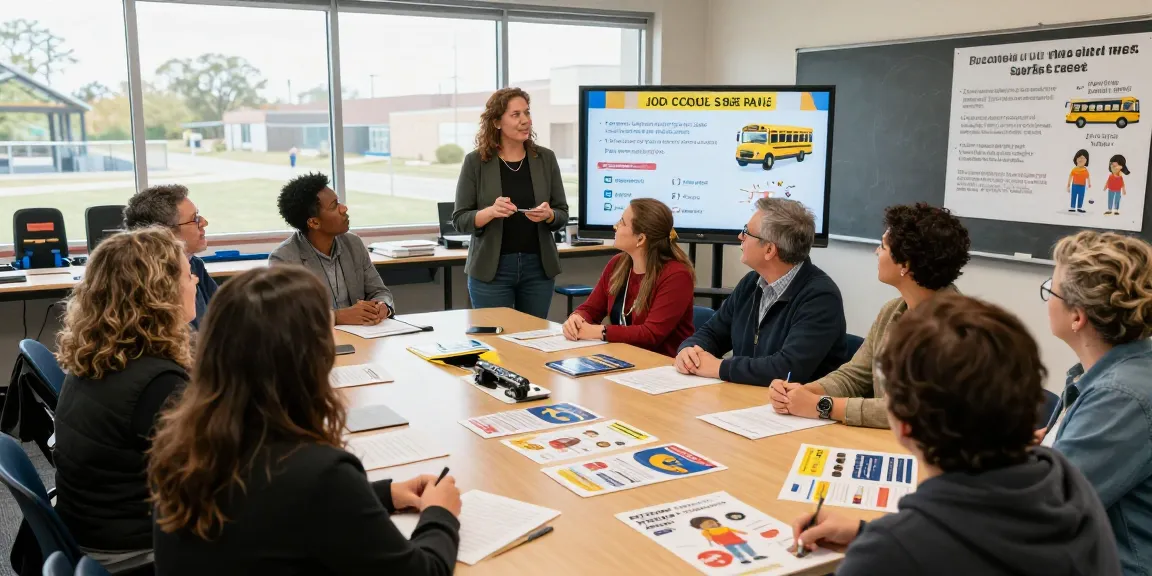
The safety of school buses does not rest on the shoulders of drivers and policymakers alone; it requires a collective effort from the community. Parents, educators, and local leaders must engage in dialogue regarding safety standards and protocols to foster a secure environment for children. This collective responsibility entails questioning existing procedures, advocating for necessary changes, and holding stakeholders accountable. Awareness campaigns and community forums can mobilize families to express their concerns and ideas for improving their children's safety during transit.
Key Advocacy Areas for Improved School Bus Safety
The Case for Mandatory Seat Belts on School Buses
The debate regarding the implementation of seat belts on school buses is highly contentious. Proponents argue that mandatory seat belts would provide an essential layer of safety during high-impact crashes, particularly in scenarios involving rollover accidents. Transport Canada has stated that evidence supporting the overall safety benefits of three-point seat belts on school buses is limited, leading to hesitance in making structural changes. However, advocates maintain that more empirical research is needed to assess the actual effectiveness of seat belts in real-world scenarios, especially considering the persisting risks.
Enhancing Driver Awareness and Training Programs
In tandem with improved vehicle safety features, enhancing driver training and awareness is paramount. Comprehensive training programs that focus on defensive driving, emergency response protocols, and student interaction can significantly enhance a driver's capabilities. Ongoing education initiatives help maintain a high level of competency and awareness in drivers, which can ultimately lead to a safer environment for all students on board. Additionally, local school boards should review existing training programs regularly to integrate new findings and ensure that all drivers are equipped to handle various situations effectively.
Emergency Preparedness: Are Schools Ready?
Emergency situations can occur unexpectedly, making preparedness essential. Schools must develop robust emergency plans that encompass potential bus accidents, natural disasters, or any scenario where student safety could be jeopardized. Regular drills and training sessions should be held to ensure both drivers and students are familiar with the procedures to follow during emergencies. Additionally, collaboration with local emergency services to review and practice these plans can enhance overall readiness and foster a stronger safety culture within the community.
Building Awareness Through Community Engagement
How Parents Can Advocate for Safety Measures
Parents play a crucial role in advocating for school bus safety measures. By remaining engaged in their children's schooling and transportation arrangements, they can contribute valuable insights and raise essential questions that may lead to meaningful discussions on safety improvements. Initiatives such as organizing community meetings, signing petitions, or collaborating with local advocacy groups can amplify their voices and draw attention to safety concerns that need addressing.
Role of School Boards in Reviewing Safety Protocols
School boards are pivotal in establishing and enforcing safety protocols, yet they must also remain adaptive to emerging trends and research. Regular reviews of existing safety measures, combined with feedback from parents and educational staff, can lead to a more proactive approach to ensuring student safety. By acknowledging that practices need to evolve over time, school boards can position themselves as leaders in prioritizing children's welfare and safety.
Effective Communication Between Policymakers and Families
Transparent communication channels between policymakers and families are essential for fostering trust and understanding. School boards should actively engage parents and community stakeholders in conversations surrounding safety regulations and proposed changes. Providing platforms such as forums, newsletters, or direct communication can help families feel informed and involved in discussions that impact their children's safety. Building this rapport facilitates better decision-making and ensures that the voices of those directly affected are heard.
Comparing Canadian and International School Bus Safety Standards
Lessons from Other Countries on Bus Safety
Examining school bus safety protocols in other countries may yield valuable insights that could be applied in Canada. Countries such as Japan and Sweden have implemented rigorous safety measures, including strict vehicle specifications and regular inspections. Evaluating how these countries approach safety can help Canadian policymakers identify best practices and innovations that could enhance local regulations and standards. The sharing of successful strategies and outcomes can lead to informed decisions that prioritize the welfare of students.
Evaluating Compartmentalization vs. Additional Restraints
Canada’s reliance on compartmentalization—a safety design characterized by high-backed, padded seats—has proven moderately effective in protecting students during collisions. However, as discussions around additional restraints grow, it is essential to critically assess the merits and limitations of both systems. While compartmentalization has been a staple of school bus design, the potential effectiveness of adding seat belts warrants exploration, especially when considering emerging data and technological advances.
Future Trends in School Bus Design and Safety Technology
The future of school bus safety may hinge on the integration of advanced technology. Innovations such as collision avoidance systems, real-time tracking apps, and enhanced vehicle communication networks can significantly impact the safety landscape. As manufacturers adapt to evolving safety standards, it will be crucial for policymakers to stay abreast of advancements that could further protect young passengers. Collaborating with technological firms and transportation experts can facilitate the development of safety-enhancing features in school buses.
Measuring the Success of School Bus Safety Initiatives
Metrics for Evaluating Improvement in Safety Standards
Establishing metrics to measure the effectiveness of safety initiatives is crucial for continuous improvement. Metrics can include the reduction in the number of accidents, the percentage of schools meeting updated safety standards, and feedback from parents and students regarding safety perceptions. Collecting and analyzing this data provides insight into the successes and challenges of existing protocols, guiding necessary adjustments to enhance safety measures.
Long-Term Impacts of Advocacy Campaigns
Advocacy campaigns, such as the one led by Jodi Ruta, can have long-lasting effects on public perception and policy reform. The increased awareness and dialogue surrounding school bus safety can lead to more stringent regulations, increased funding for safety upgrades, and a cultural shift regarding safety priorities. Tracking the influence of these campaigns over time allows stakeholders to understand how advocacy plays a role in shaping future policies and perceptions surrounding school transportation safety.
Future Predictions for School Bus Safety in 2026 and Beyond
As we look ahead to 2026 and beyond, the trajectory of school bus safety initiatives appears optimistic. The incorporation of new technologies, further research into effective safety measures, and a heightened commitment to community engagement all signal a proactive approach to ensuring the welfare of young passengers. Future policies will likely reflect an unwavering dedication to fostering secure environments as communities continue to rally around the cause of school bus safety.
What Parents Want: Frequently Asked Questions on Safety
Parents are naturally concerned about the safety of their children while commuting to school. Common inquiries revolve around the effectiveness of existing safety measures, the presence of seat belts on buses, and how to voice concerns regarding transportation safety. Providing clear and accessible information can empower parents to advocate for enhanced safety protocols and remain informed about the developments in school bus safety.