Understanding CNC Machining in China
CNC machining, or Computer Numerical Control machining, has emerged as a paramount manufacturing technique, especially for companies seeking precision and efficiency. Utilizing computer-controlled processes, CNC machining allows manufacturers to create intricate parts and components with unbeatable accuracy. When exploring options, CNC Machining China provides comprehensive insights and customized services that cater to various industries, ensuring every manufacturing need is addressed effectively.
What is CNC Machining?
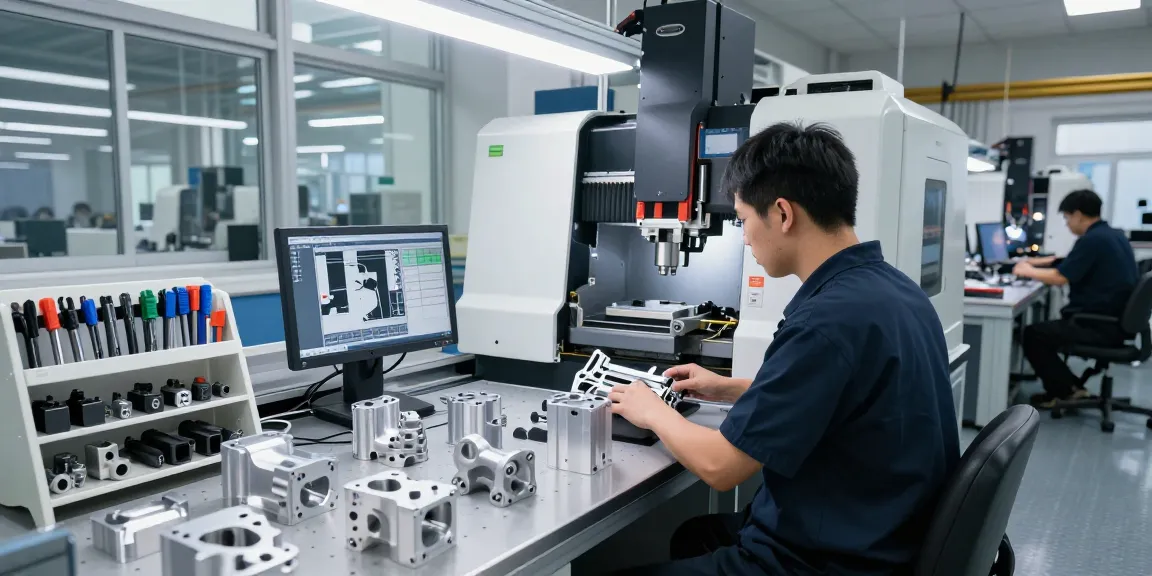
CNC machining is a method of manufacturing that employs computerized controls to manage the movement of machinery tools. Unlike traditional machining processes, where operators manually handle tools, CNC machines are programmed with specific instructions that dictate their operation, such as speed, position, and coordination. This automation leads to a higher degree of precision and repeatability in manufacturing processes.
The Importance of CNC Machining in Manufacturing
The role of CNC machining in modern manufacturing cannot be overstated. As industries strive for greater efficiency and precision, CNC machines have become essential in producing components with tight tolerances. This technology not only optimizes production time but also reduces labor costs significantly, making it a valuable investment for manufacturers worldwide. Moreover, CNC machining supports a variety of materials, enhancing its versatility across sectors such as automotive, aerospace, electronics, and medical equipment.
Common Applications of CNC Machining in Various Industries
CNC machining services find applications in multiple industries, enabling manufacturers to produce everything from complex aerospace components to delicate medical devices. Some notable applications include:
- Aerospace: Manufacturing precision parts such as turbine blades and brackets.
- Automotive: Producing engine components, gears, and custom parts for vehicles.
- Electronics: Creating housings, connectors, and circuit boards with intricate designs.
- Medical: Fabricating surgical instruments, implants, and other critical components that require high levels of accuracy.
Red Flags When Choosing CNC Machining Services
Choosing the right CNC machining service provider is crucial for ensuring quality and timely delivery. However, several red flags should signal caution when evaluating potential partners.
Quality Assurance Practices to Look For
One of the most critical aspects of CNC machining is the quality assurance practices employed by the manufacturer. Ensure that the provider implements stringent quality control measures to guarantee that parts meet the required specifications and standards. Regular audits, certifications (like ISO 9001), and customer feedback systems are vital indicators of a company's commitment to quality.
Understanding Manufacturing Lead Times
Manufacturing lead times can vary significantly between suppliers. A reputable CNC machining service provider should provide clear timelines for production and delivery. Be wary of companies that cannot specify lead times or those that promise unusually quick turnarounds that may compromise quality.
Evaluating Supplier Certifications and Compliance
When assessing potential CNC machining partners, review their certifications and compliance with industry standards. Certifications from recognized organizations indicate a commitment to maintaining quality and adhering to legal requirements. Avoid suppliers lacking proper certifications or those with unresolved compliance issues.
Key Considerations for Successful CNC Machining Projects
To ensure a successful CNC machining project, several key considerations should be taken into account:
Importance of Detailed CAD Drawings
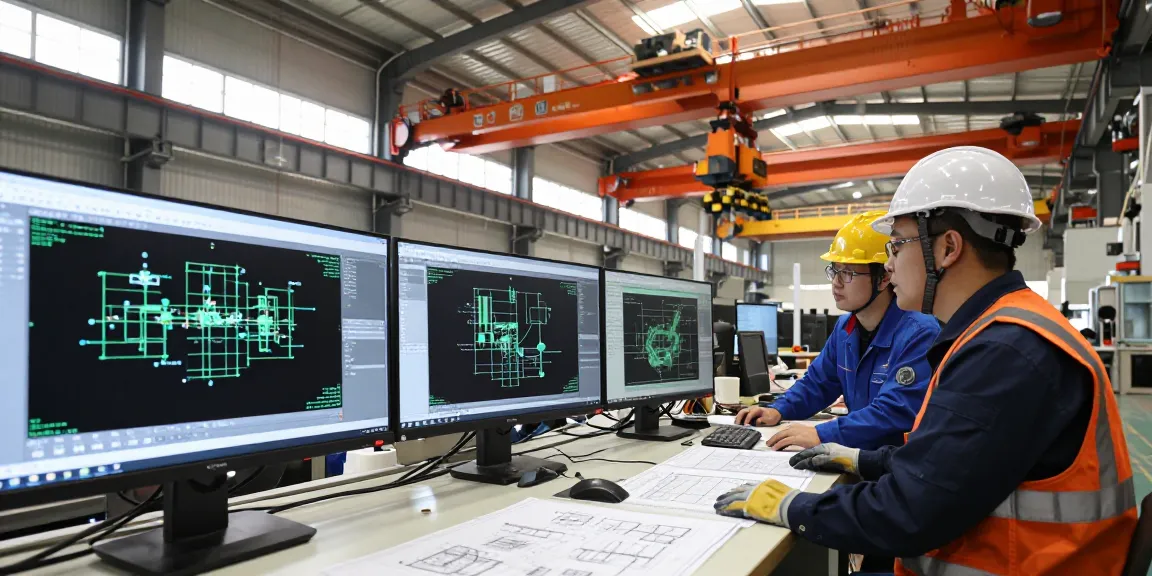
Providing high-quality, detailed CAD drawings is essential for ensuring that the manufacturer accurately understands your specifications. Clear instructions on dimensions, tolerances, and material requirements will minimize miscommunication and enhance production accuracy.
Material Selection and Its Impact on Outcomes
The choice of materials in CNC machining directly impacts the functionality and durability of the final product. Selecting appropriate materials based on the application's requirements is crucial. Factors to consider include strength, weight, corrosion resistance, and machinability. Popular materials include aluminum, stainless steel, and various plastics, each chosen for their unique properties.
Cost Implications of Different Machining Processes
Understanding the cost implications of various CNC machining processes is vital for budgeting and financial planning. Different methods, such as milling, turning, and EDM, carry varying costs based on complexity, material usage, and labor. Engaging with your manufacturer to assess these costs and find cost-effective solutions can significantly benefit your project without compromising quality.
Case Studies: Successful CNC Machining Partnerships
Examining real-world examples can provide valuable insights into how effective collaboration can lead to successful outcomes in CNC machining projects.
Innovative Solutions from Aerospace Projects
Aerospace companies have leveraged CNC machining to produce lightweight yet robust components, such as aircraft frames and engine parts. For instance, a recent project required the production of custom turbine blades that met stringent weight and strength specifications. Utilizing advanced CNC techniques allowed the manufacturer to achieve the desired properties while minimizing material waste.
Automotive Industry Success Stories
In the automotive industry, CNC machining has facilitated the development of intricate components that enhance vehicle performance. A leading manufacturer implemented CNC technology to create precision gears that improved fuel efficiency and reduced noise levels in engines. The successful partnership demonstrated how effective communication and detailed specifications could yield superior results.
Medical Device Manufacturing Achievements
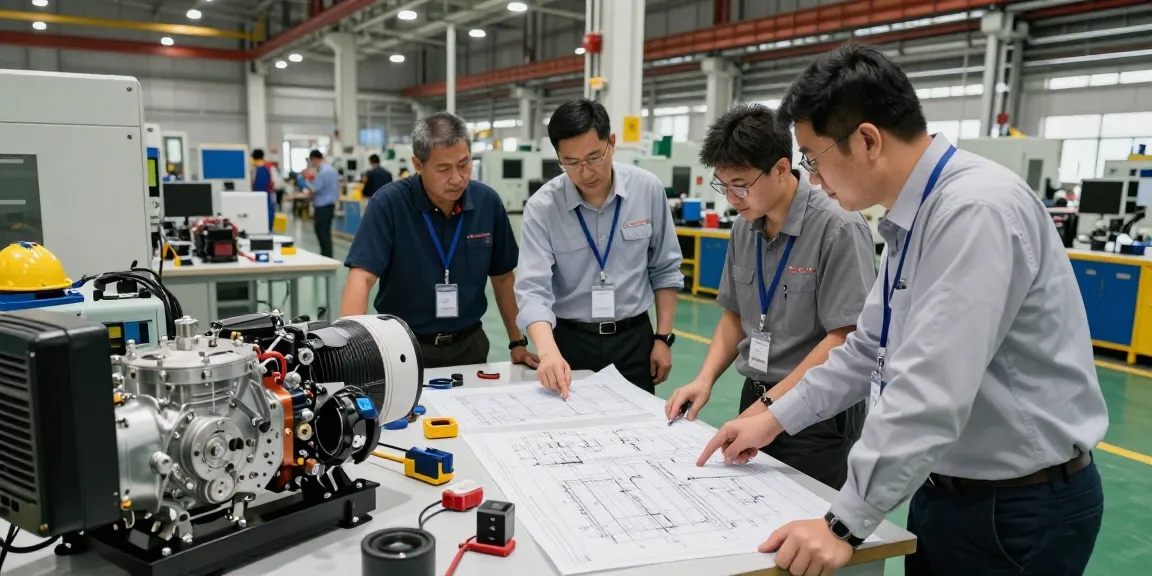
Medical device manufacturers face rigorous standards for precision and safety. Successful CNC machining projects in this sector often involve creating surgical instruments or implants that necessitate high levels of accuracy. Collaboration between engineers and machinists allowed for the production of a groundbreaking orthopedic implant that reduced recovery time for patients.
Future Trends in CNC Machining for 2026 and Beyond
As technology continues to evolve, the future of CNC machining will be shaped by several key trends that manufacturers should anticipate.
Technological Advancements in CNC Machining
The integration of advanced technologies such as artificial intelligence, machine learning, and the Internet of Things (IoT) is expected to revolutionize CNC machining. These technologies will enable manufacturers to optimize production efficiency, improve quality control, and even predict maintenance needs before issues arise.
Environmental Sustainability in Manufacturing
With increasing awareness about environmental sustainability, CNC machining processes are also adapting. Manufacturers are likely to adopt more sustainable practices, including recycling materials and minimizing waste during production. Innovations in machine technology that utilize less energy will also become a focal point in the industry's progress.
Preparing for the Next Generation of CNC Technologies
As manufacturing needs evolve, preparing for next-generation CNC technologies will be crucial. Staying informed about emerging technologies and trends will enable manufacturers to remain competitive in a rapidly changing landscape.
What are the key benefits of CNC machining?
CNC machining offers numerous benefits, including high precision, repeatability, and the ability to produce complex shapes that would be difficult or impossible with traditional machining methods. The automation of CNC processes also leads to increased efficiency and lower labor costs.
How to assure quality in CNC machining services?
Ensuring quality in CNC machining involves thorough vetting of suppliers, reviewing their quality assurance practices, and demanding the use of advanced technologies and skilled labor. Regular communication and feedback can also play a critical role in maintaining high standards.
What materials are best for CNC machining?
The best materials for CNC machining depend on the specific application, but commonly used materials include aluminum, steel, plastics, and titanium. Each material has its advantages and is selected based on desired properties and the final application.
How can I ensure timely delivery of CNC machined parts?
To ensure timely delivery, maintain clear communication with your manufacturer regarding project timelines, potential delays, and production capacities. Establishing a realistic schedule and contingency plans can help mitigate risks associated with delays.
What is the importance of CAD in CNC machining?
CAD plays a vital role in CNC machining by allowing designers to create detailed and precise models of the parts to be manufactured. High-quality CAD models minimize errors during production and facilitate efficient communication between designers and manufacturers.