Understanding AI Image Variations
In today's fast-paced digital landscape, visual content plays a crucial role in capturing attention and conveying messages. Among the most innovative advancements in visual technology is the concept of AI image variations. These advanced tools leverage artificial intelligence to generate multiple interpretations of a single image, providing creators with endless possibilities to enhance their work. From photographers to marketers, understanding how to utilize these variations can transform creative processes and elevate the quality of visual outputs.
What Are AI Image Variations?
AI image variations refer to the process by which artificial intelligence generates different versions of a given image. By employing algorithms that analyze the original content, these tools can produce unique variations that maintain the core elements while altering styles, colors, backgrounds, or other characteristics. This not only allows for a broad spectrum of creative options but also saves significant time in the design and editing processes.
How AI Image Variations Enhance Creativity
The capacity to create AI image variations allows for an unprecedented level of creativity. Designers can explore multiple concepts without needing to start from scratch for each iteration. This tool empowers creatives to break free from conventional constraints, facilitating experimentation with ideas and styles that might otherwise remain unexplored. As a result, AI variations inspire innovation in projects, leading to fresh perspectives and unique outcomes.
The Technology Behind AI Image Generations
At the heart of AI image variation technology is deep learning, particularly convolutional neural networks (CNNs) that are trained on extensive datasets of images. These networks learn to identify patterns and features, enabling them to manipulate images in sophisticated ways. Techniques such as style transfer, where the attributes of one image are applied to another, are commonly employed to generate new variations. The technology also involves reinforcement learning, which continuously improves the model's output based on user feedback and preferences.
Applications of AI Image Variations
The applications of AI image variations are vast and span multiple industries. As businesses and creators increasingly recognize the benefits of incorporating AI-generated visuals, the demand for effective tools and methodologies continues to rise.
Using AI Image Variations in Professional Photography
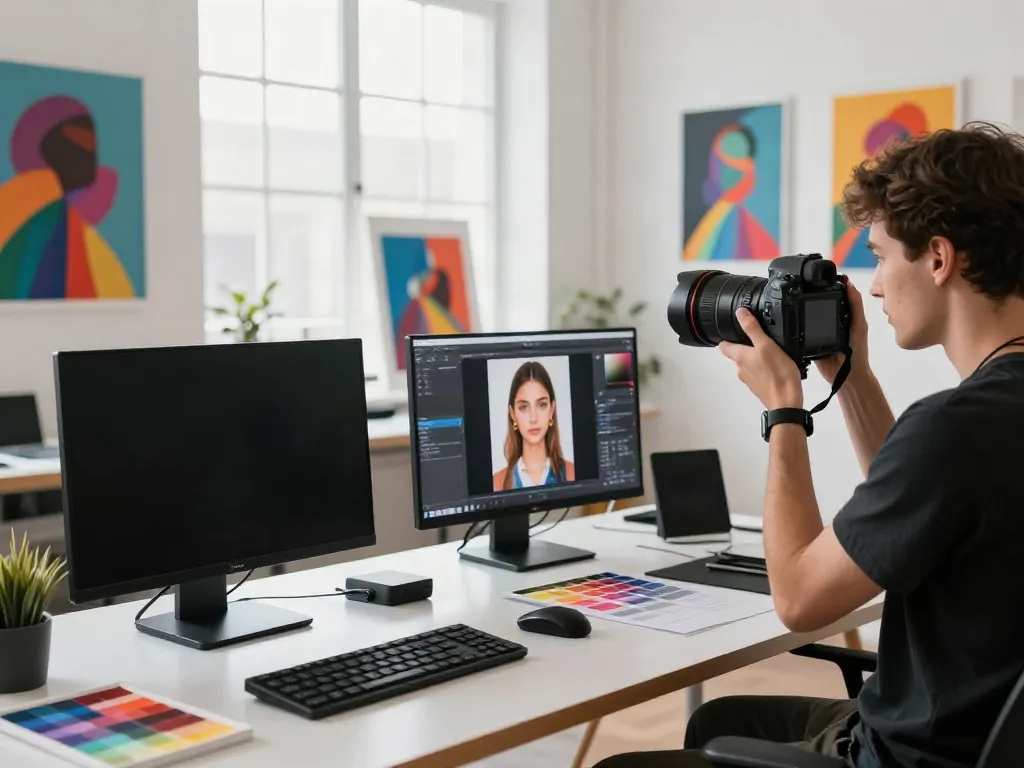
In professional photography, AI image variations can enhance creativity and efficiency. Photographers can experiment with different styles or compositions using existing images, allowing them to present a broader array of options to their clients without the need for an extensive reshoot. By generating variations that emphasize different moods or themes, photographers can meet diverse client needs and preferences with ease.
AI Image Variations for Graphic Design Projects
Graphic designers leveraging AI image variations can significantly accelerate their workflow. By using image variation tools, they can create multiple design options for pitch presentations or client reviews quickly. This not only saves time but also enables designers to present a range of creative possibilities, increasing their chances of client approval and satisfaction.
Benefits for Marketing and Advertising
In marketing and advertising, the ability to generate variations of promotional images is essential for optimizing campaigns. Brands can test different visuals across various platforms to determine which styles resonate most with their target audiences. Additionally, by rapidly adapting visuals to fit different formats—such as social media posts, websites, or print ads—marketers can maintain coherence in branding while tailoring content to specific demographics.
Best Practices for Generating AI Image Variations
To maximize the potential of AI image variations, users should adopt best practices that enhance output quality and efficiency.
Choosing the Right Software Tools
Selecting the appropriate software is critical for achieving high-quality results. Popular tools like Adobe Firefly, DALL-E, and OpenArt provide user-friendly interfaces and robust features for generating variations. However, it's essential to evaluate each platform based on specific needs, such as desired style outputs and processing speed. Ensuring that the chosen tool aligns with the project's goals can significantly impact the final product.
Tips for Optimizing Image Quality
When generating AI image variations, maintaining high image quality is paramount. Users should upload high-resolution images as the source material to ensure that variations retain clarity and detail. Additionally, experimenting with various parameters within the AI tool, such as color palettes and composition adjustments, can lead to more appealing results. Regularly saving different iterations allows for easy comparison and selection of the most successful variations.
Leveraging User Feedback for Improvements
User feedback is invaluable in refining AI-generated images. Engaging clients or peers in the review process can provide insights into what elements resonate or require adjustment. By analyzing this feedback, creators can continuously improve their image variations and better align them with audience expectations. Incorporating a feedback loop into the creative workflow can drive enhanced outcomes over time.
Challenges and Misconceptions in AI Image Variations
While the technology behind AI image variations offers numerous advantages, it is not without challenges and misconceptions.
Common Misunderstandings About AI Technology
One prevalent misunderstanding about AI image variations is that the technology can completely replace human creativity. In reality, AI serves as a powerful tool that enhances rather than replaces creative processes. Designers and artists still play a crucial role in guiding the AI and making final aesthetic decisions. Recognizing this partnership can help creatives effectively harness AI’s capabilities.
Addressing Ethical Concerns in AI Art
Ethical concerns regarding AI-generated images often involve issues of copyright and authorship. Questions arise about whether AI-generated works can be considered original or if they infringe on existing copyrighted materials. It is essential for users to understand the legal ramifications of AI art and ensure that their image generation processes are compliant with copyright laws to avoid potential disputes.
Overcoming Technical Barriers
Technical barriers, such as the need for specific software knowledge or hardware capabilities, can impede the adoption of AI image variations. To overcome these challenges, users can seek tutorials and community support or opt for platforms that offer intuitive interfaces. As technology evolves, more accessible solutions are becoming available, allowing a broader range of users to engage with AI tools effectively.
The Future of AI Image Variations in 2026 and Beyond
As we look towards the future, the evolution of AI image variations is set to transform various industries even further. Predictions for 2026 and beyond indicate exciting developments in both technology and application.
Predictions for the Evolution of AI Art
With advancements in AI continue to unfold, we can anticipate a greater emphasis on personalization in the generation of image variations. As algorithms become more sophisticated, they will better understand user preferences, producing highly tailored visual outputs. This evolution will enhance the user experience and the relevance of AI-generated materials for specific audiences.
Upcoming Trends in Digital Creativity
In the realm of digital creativity, trends such as augmented reality (AR) and virtual reality (VR) integration with AI image variations are expected to flourish. This integration will allow users to create immersive experiences that combine real-world environments with AI-generated visuals, providing innovative ways for audiences to engage with content. As technology progresses, these trends will redefine how we perceive and create visuals.
Integrating AI Image Variations Across Industries
Industries ranging from e-commerce to entertainment will benefit from the integration of AI image variations. In e-commerce, retailers can use personalized variations to cater to diverse customer preferences, enhancing user engagement and conversion rates. Meanwhile, in entertainment, filmmakers and game developers can utilize AI-generated variations for concept art, ensuring their creative visions become a reality without extensive resource expenditure. The potential applications are nearly limitless and promise to reshape industries by fostering creativity and efficiency.
What are the benefits of using AI to create image variations?
The benefits of using AI to create image variations include increased creative possibilities, faster production times, and the ability to tailor content specifically for different audiences. This flexibility can lead to more engaging and relevant visual content that resonates with viewers.
How can AI image variations improve marketing strategies?
AI image variations can enhance marketing strategies by providing diverse visual options for campaigns. This allows marketers to test which images perform best across various platforms, optimizing engagement and conversion rates.
Are there any ethical concerns with AI-generated images?
Yes, ethical concerns primarily encompass copyright issues and the potential for AI-generated art to infringe on original works. It is crucial to stay informed about legal implications and ensure compliance with copyright laws when producing AI-generated images.
Which industries benefit most from AI image variations?
Industries like photography, graphic design, marketing, e-commerce, and entertainment stand to gain significantly from AI image variations. Each sector can employ these tools to increase efficiency, creativity, and customer engagement.
What tools are the best for generating image variations with AI?
Some of the best tools for generating image variations include Adobe Firefly, DALL-E, OpenArt, and others. Choosing the right tool depends on individual needs and the specific capabilities required for each project.