Understanding Sports Massage at Home
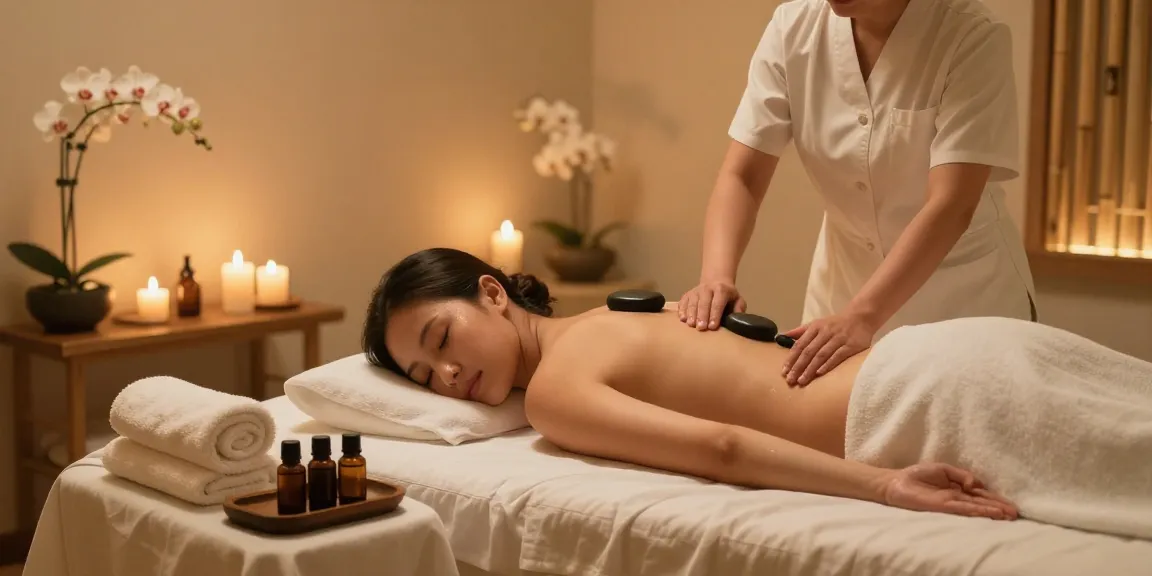
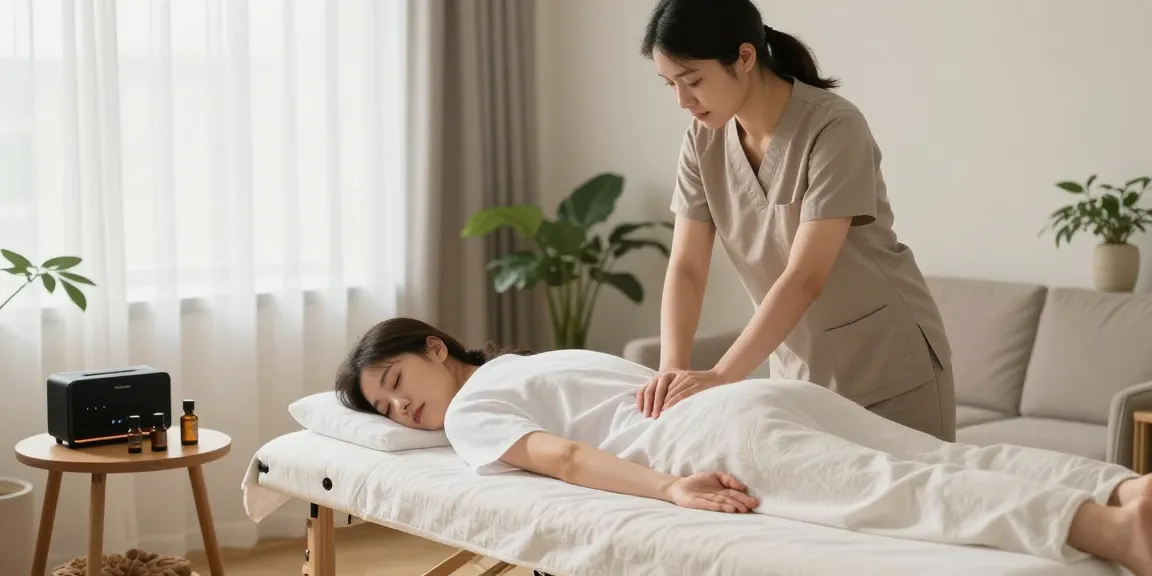
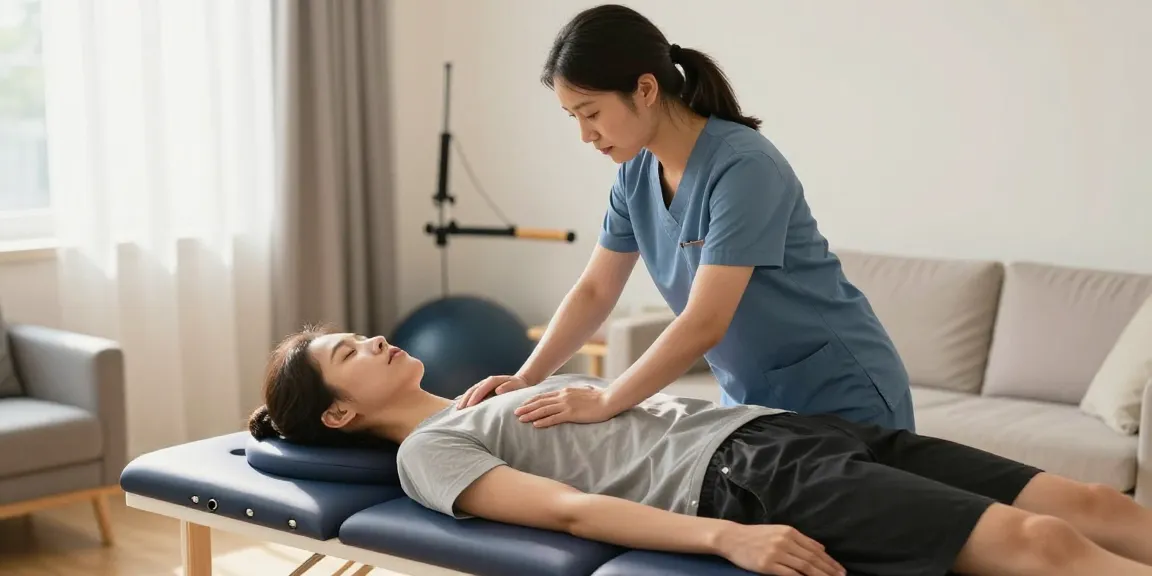
Sports massage at home is an increasingly popular service among athletes and fitness enthusiasts, offering tailored care in a familiar and comfortable environment. This therapy focuses on the specific needs of physically active individuals, helping them to recover, reduce pain, and enhance performance. With the convenience of receiving treatment at home, many patients find it easier to fit these important sessions into their busy lifestyles. When exploring options, sports massage at home provides comprehensive insights into how you can benefit from this specialized care.
What Is Sports Massage?
Sports massage is a specialized form of massage therapy tailored specifically for athletes and those engaged in physical activities. It employs techniques that are designed to prepare the body for optimal performance, alleviate pain, improve recovery, and help prevent injuries. This type of massage can include various techniques such as deep tissue manipulation, stretching, and even trigger point therapy. Each session is customized based on the athlete's specific needs, whether they are preparing for a competition, recovering from an injury, or addressing chronic muscle tension.
Benefits of Sports Massage at Home
Receiving sports massage therapy in the comfort of your home can enhance the benefits of this treatment significantly. Some of the key advantages include:
- Convenience: No travel is required, making it easier for individuals with hectic schedules.
- Personalized Atmosphere: A familiar setting can help clients feel more relaxed, further enhancing the therapeutic effects.
- Increased Flexibility: Sessions can be scheduled according to the client’s availability, allowing for greater flexibility in treatment planning.
- Holistic Care: Home visits allow therapists to assess the individual's home environment, recommending preventative measures and personalized care strategies.
Who Can Benefit from Mobile Sports Massage?
Mobile sports massage is highly beneficial for a wide array of individuals, including:
- Athletes looking to optimize their performance.
- Individuals recovering from recent injuries.
- People suffering from chronic pain or muscle tension.
- Fitness enthusiasts engaged in regular training.
- Individuals undergoing rehabilitation from surgery or serious injuries.
- Anyone who experiences stress and the physical manifestations of tension.
Common Mistakes People Make with Sports Massage
While sports massage can provide immense benefits, there are common mistakes that individuals make which can hinder their recovery and performance. Being aware of these errors can help you make the most of your sessions.
Skipping Assessment Before Treatment
Many individuals believe that they can jump straight into a massage session without a prior assessment; however, skipping this critical step may lead to inadequate treatment. A thorough assessment allows the therapist to identify problem areas, understand your health history, and tailor the session to meet your specific needs. Always consult your therapist about any previous injuries, medical conditions, or current symptoms before your treatment begins.
Ignoring Pain Signals during Sessions
Communication with your therapist during the massage is crucial. You should never ignore pain signals or discomfort that might arise during the session. Informing your therapist allows them to adjust techniques or pressure levels to ensure a safe and effective treatment. Pain that persists beyond your session may indicate underlying issues that need addressing.
Neglecting Post-Massage Care
Aftercare is an essential component of any treatment. Neglecting post-massage care can lead to decreased effectiveness of the therapy. Hydration, gentle stretching, and allowing adequate recovery time are vital. Discuss with your therapist what post-massage activities you should incorporate for optimal recovery.
How to Prepare for Your Home Sports Massage
Proper preparation can significantly enhance your experience and outcomes from sports massage therapy. Here’s how to get ready for your session at home.
Creating a Comfortable Environment
Setting up a serene atmosphere is important. Ensure the treatment area is clean, well-lit, and free from distractions. If possible, adjust the temperature to your comfort level and have any pillows or blankets handy for additional support during your session.
Communicating with Your Therapist
Effective communication with your therapist is key to achieving high-quality care. Share your health history, any injuries you may have, and your goals for the massage. This helps the therapist tailor their techniques to address your specific needs. Don’t hesitate to speak up during the massage about pressure levels and any discomfort you may feel.
Gathering Essential Tools and Products
If you have specific products you like to use, such as essential oils or therapeutic creams, have these ready for your therapist. Additionally, keeping water available post-session is crucial for hydration, which further aids recovery.
When to Seek Professional Mobile Physiotherapy
Mobile physiotherapy is a critical tool in your healthcare arsenal. Knowing when to seek professional help can make all the difference in your recovery process.
Identifying Needs for Specialized Care
If you are dealing with persistent pain, chronic conditions, or have recently sustained an injury, it’s important to assess whether you need specialized care. A licensed physiotherapist can provide you with a personalized treatment plan that addresses not only symptom management but also long-term recovery objectives.
Understanding NDIS and Medicare Coverage
Patients in Australia should be aware that mobile physiotherapy services may be covered under the National Disability Insurance Scheme (NDIS) or Medicare. Understanding your eligibility for these programs can significantly ease the financial burden of continued treatment. Consult your healthcare provider or physical therapist for specifics on coverage and to determine if you qualify.
Building a Long-Term Recovery Plan
A comprehensive recovery plan not only focuses on immediate needs but also incorporates preventive care to minimize future injuries. Your physiotherapist can work with you to establish this plan, which may include ongoing massage therapy, exercise recommendations, and lifestyle modifications.
Frequently Asked Questions
Here are some common questions that patients have regarding sports massage at home:
How often should I receive a sports massage at home?
The frequency of treatments can vary greatly based on individual needs. Many patients benefit from bi-weekly sessions, while others may require weekly treatments, especially during intensive training or recovery periods. Consult with your therapist to determine the best schedule for your situation.
Are mobile sports massages covered by insurance?
Coverage for mobile sports massage may depend on your specific health insurance policy and your individual circumstances, such as referral from a healthcare provider. It is advisable to check with your insurance company to understand what services are covered under your health plan.
What should I expect from my first sports massage at home?
During your first session, your therapist will conduct a thorough assessment and discuss your goals. For more information, sports massage at home offers valuable insights. Expect to engage in a conversation about your current physical condition and areas you want to focus on. The massage itself may vary in intensity depending on your needs and preferences, but your therapist will check in regularly to ensure your comfort.